Starting with Listening
This project begins with a co-creation approach, using user research to define the future transformation of the former Anglesea mine site. We see design as a collaborative process shaped together with its users, rather than a one-way intervention imposed on the site.
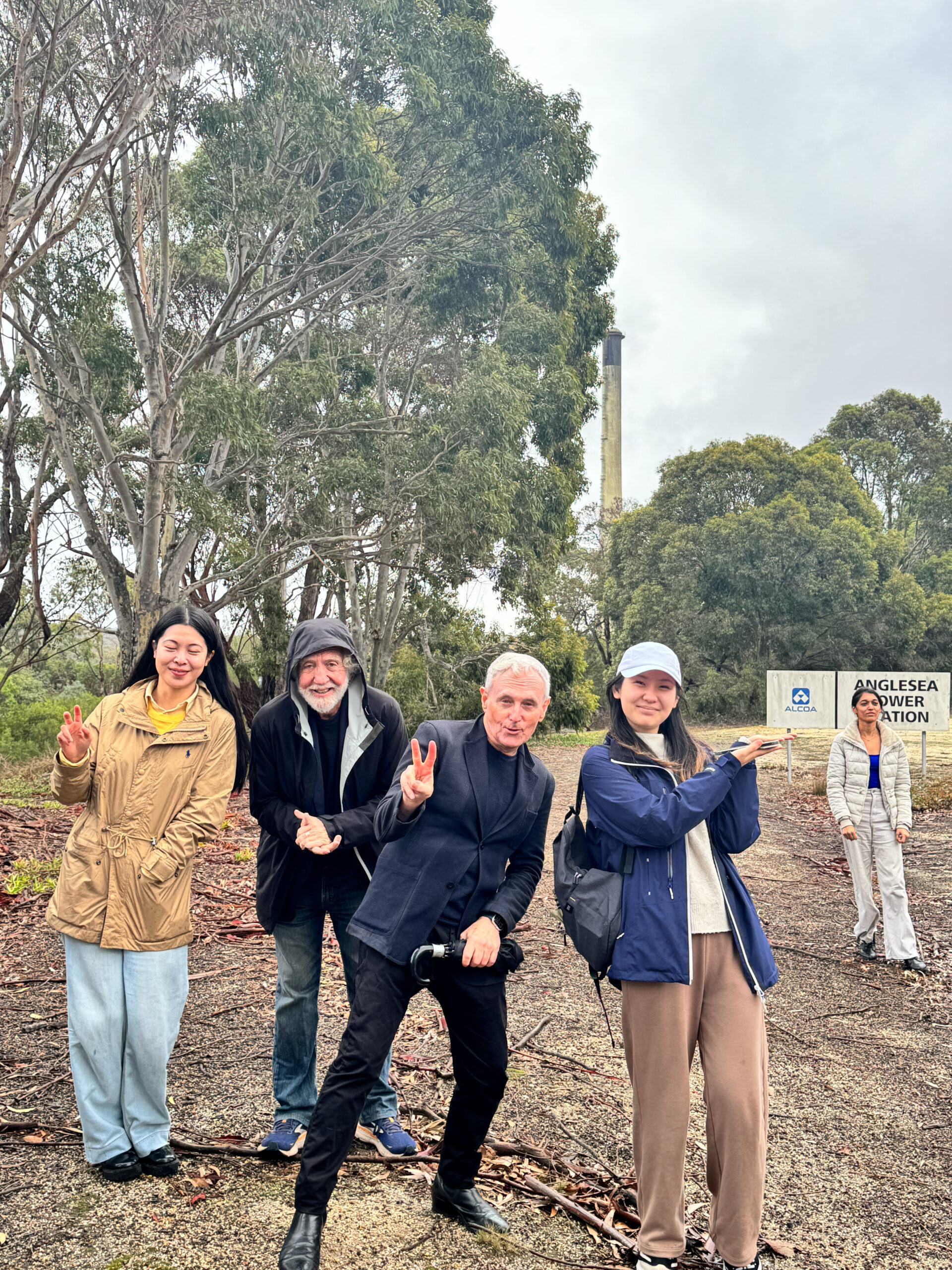
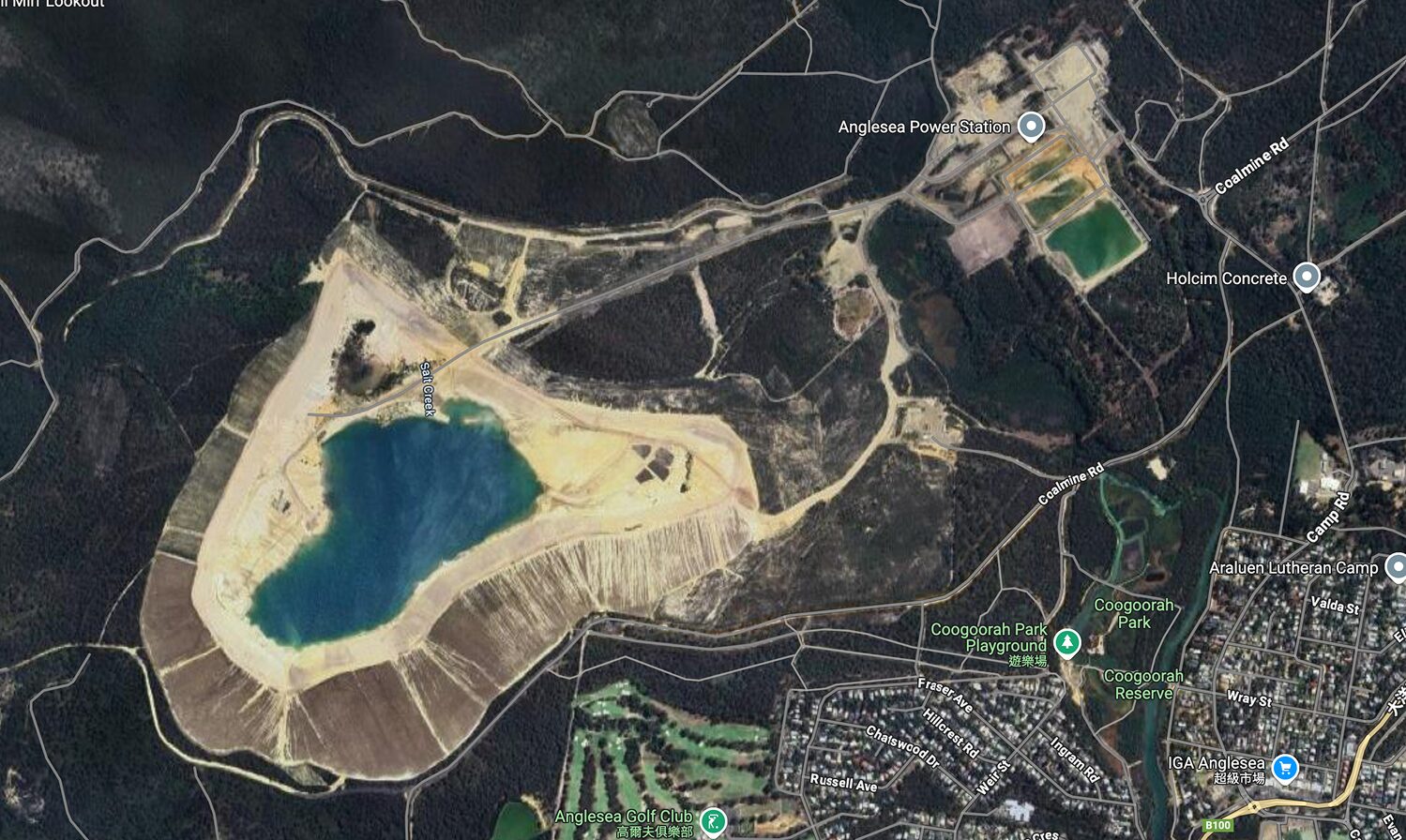
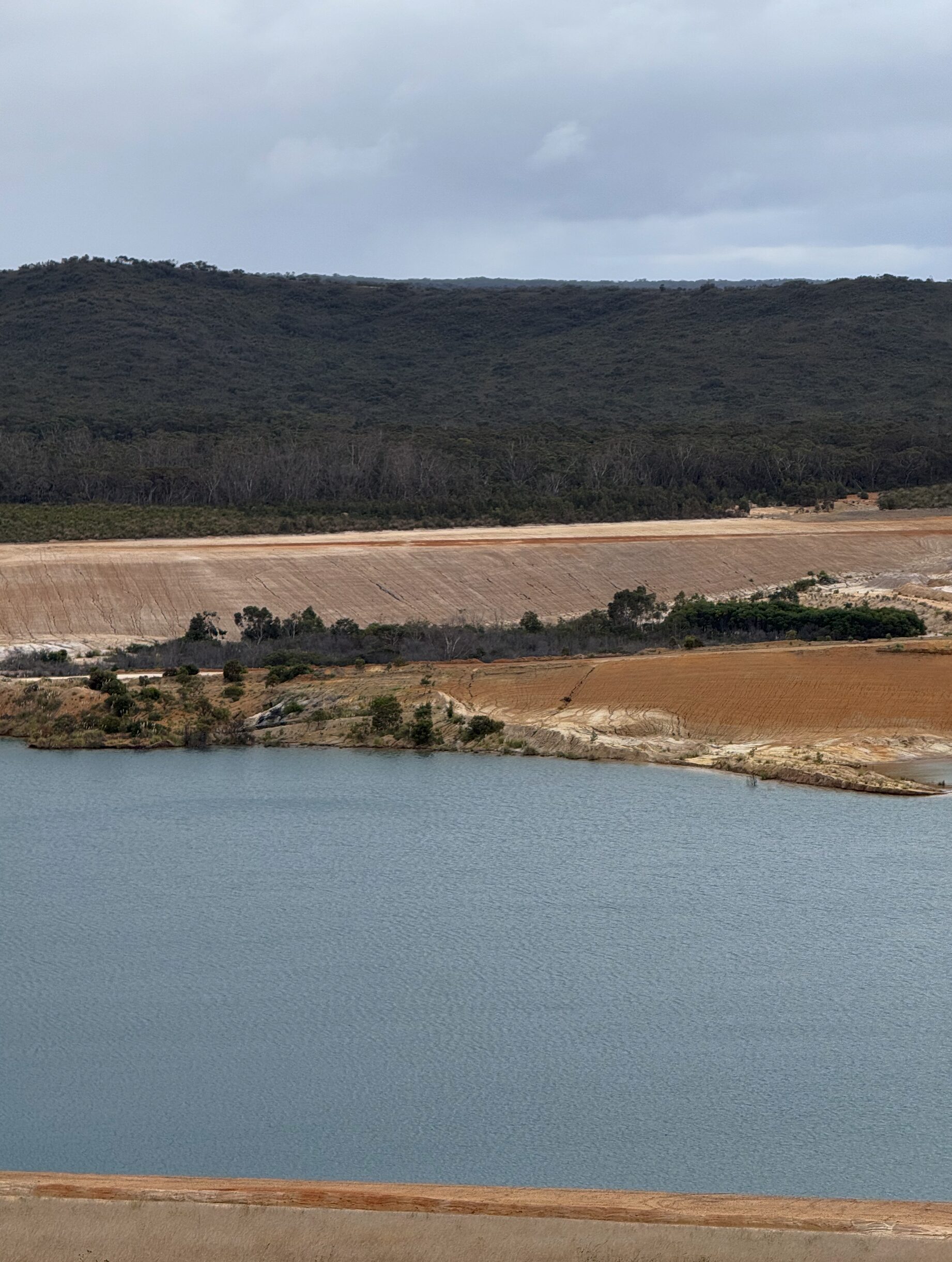
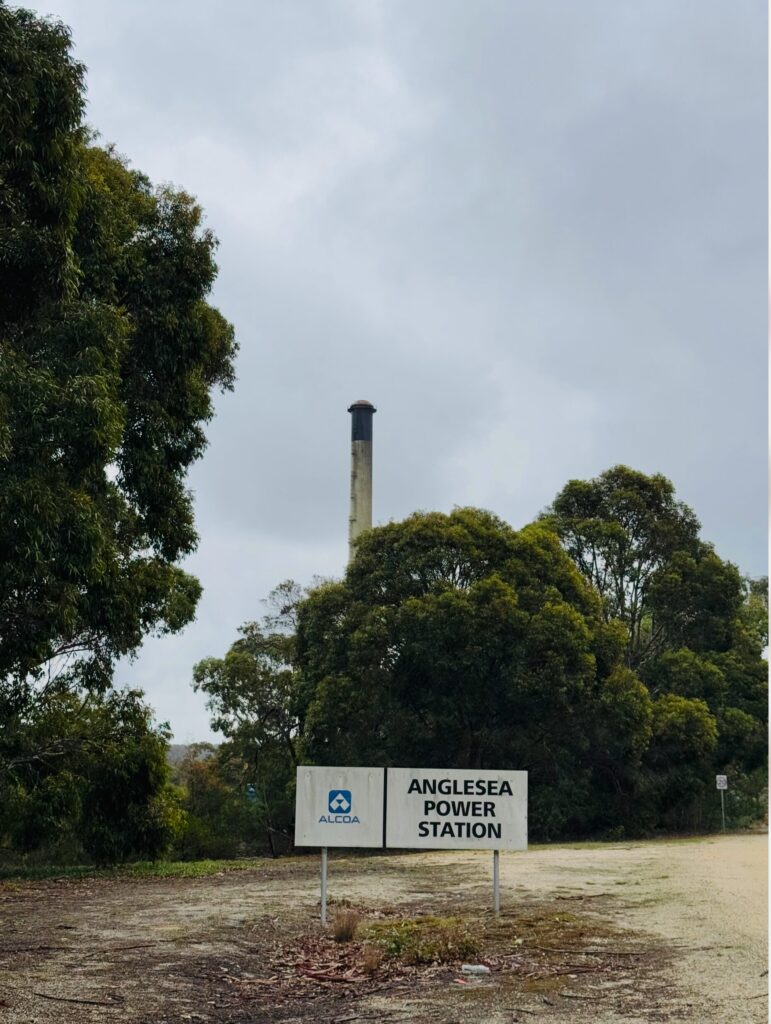
The Anglesea old mine is an open-cut brown coal mine located in Victoria, Australia. It ceased operations in 2015. During the development of this project, we conducted two site visits to the town of Anglesea, engaging with local residents, government representatives, and community members to gain a deeper understanding of their perspectives and aspirations.
This project envisions how, by 2040, visitors, local communities, and various organizations might experience the site. The regeneration proposal focuses on restoring nature through six key elements: floating wetlands for water purification, water level markers, community tree planting, a birdwatching trail, a solar power field, and a viewing platform for sharing photos over time.
What Is Happening in Anglesea…
A Town in Transition
Located along the Great Ocean Road in Victoria, Anglesea has been reshaping its identity since the closure of its coal-fired power station and open-cut mine in 2015. The site is now in rehabilitation, presenting both challenges and opportunities for renewal.
A Growing and Seasonal Population
In 2025, Anglesea has around 3,200 permanent residents, while seasonal visitors exceed 7,000. By 2040, the population is expected to reach 4,200, with peak visitor numbers surpassing 12,000—placing pressure on the town’s capacity.
Designed for Passing Through
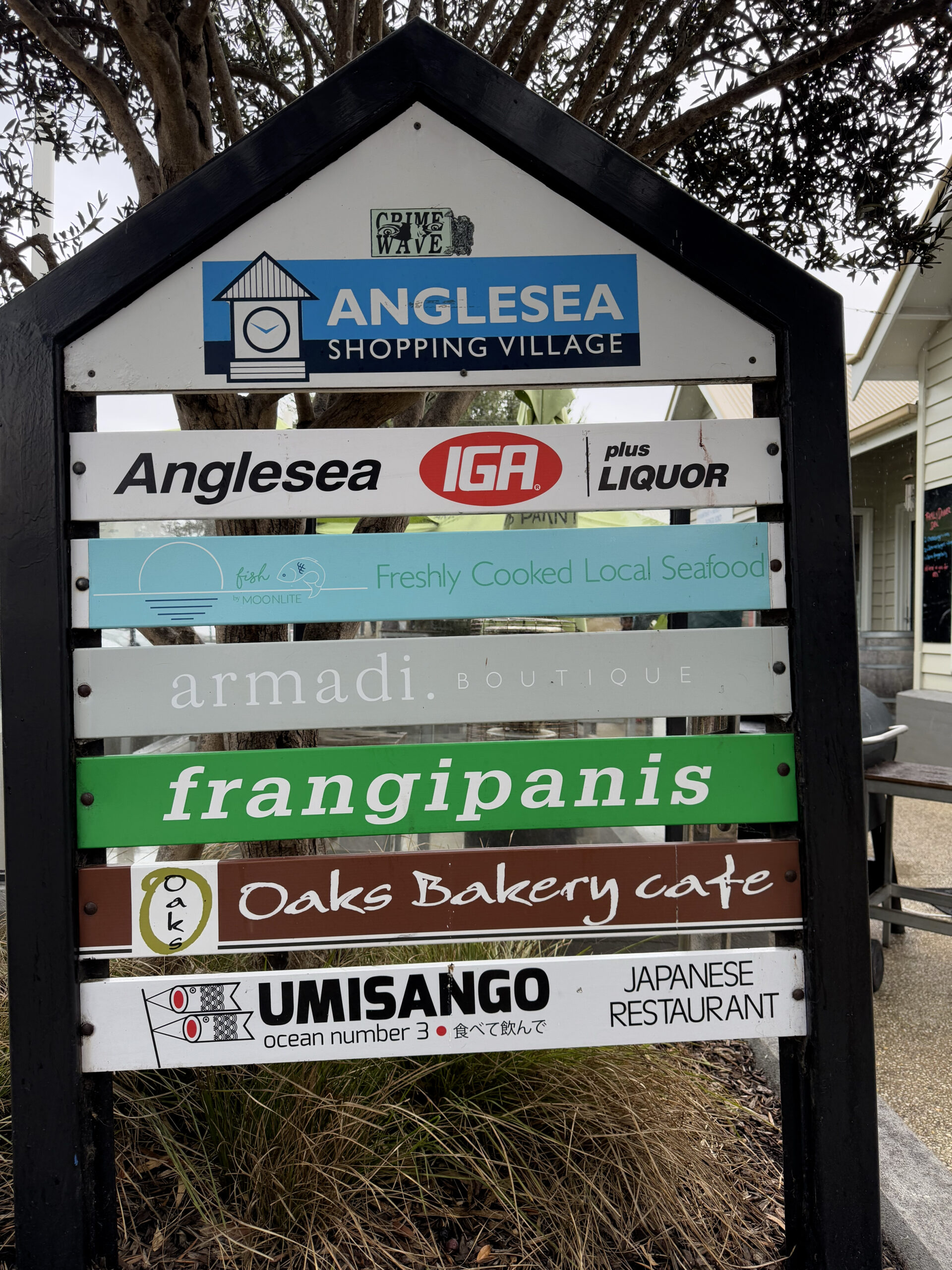
The Great Ocean Road (B100) drives regional traffic, with the former mine just nine minutes from the town center.
While walkability is decent, the overall system favors transit over longer stays and meaningful engagement.
Limited Local Experiences
Compared to nearby Geelong, Anglesea offers fewer dining, activity, and immersive experiences. Many visitors stop briefly, making it difficult for tourism to generate lasting value for the community.
From Local Voices to Shared Decisions
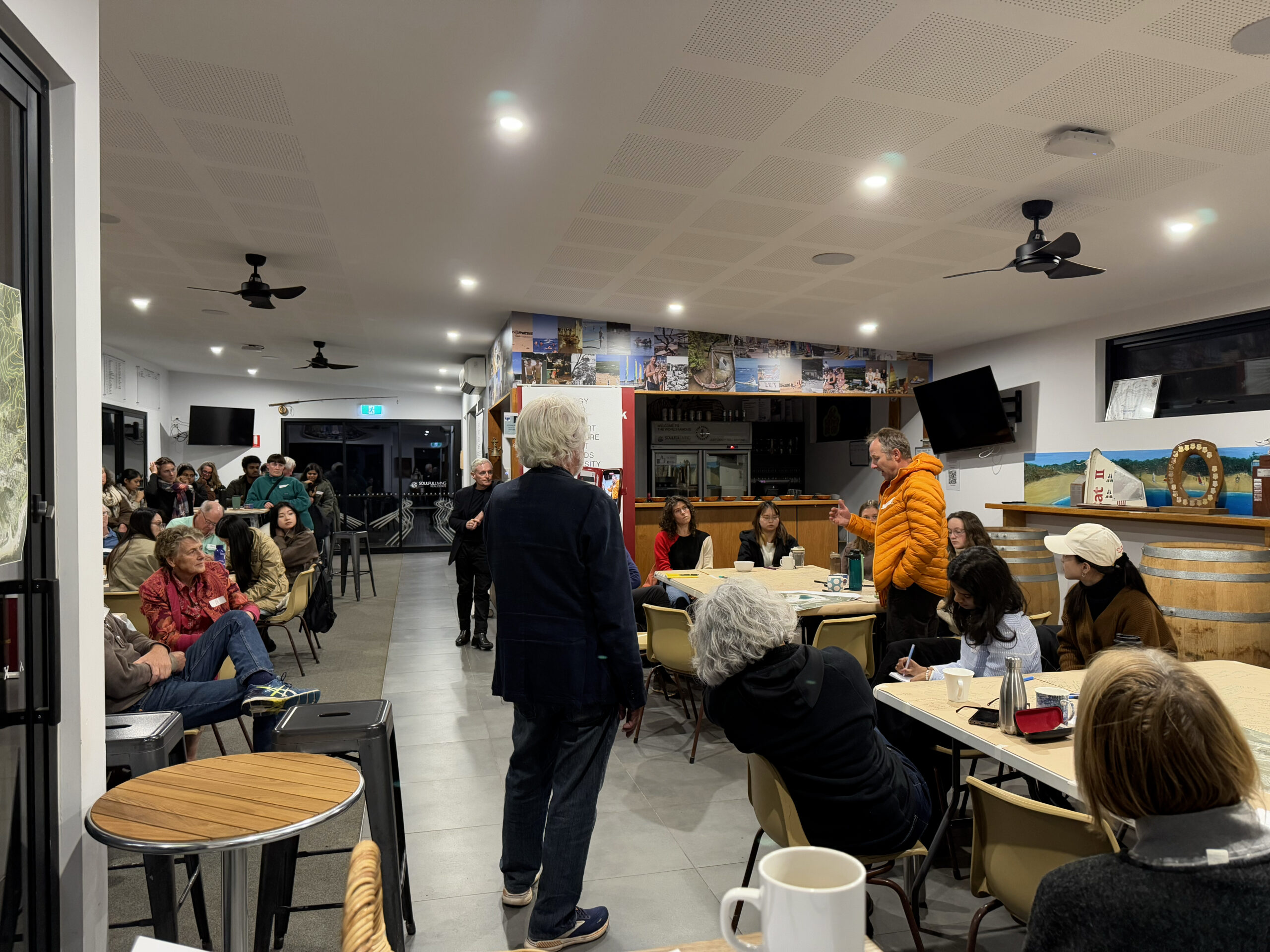
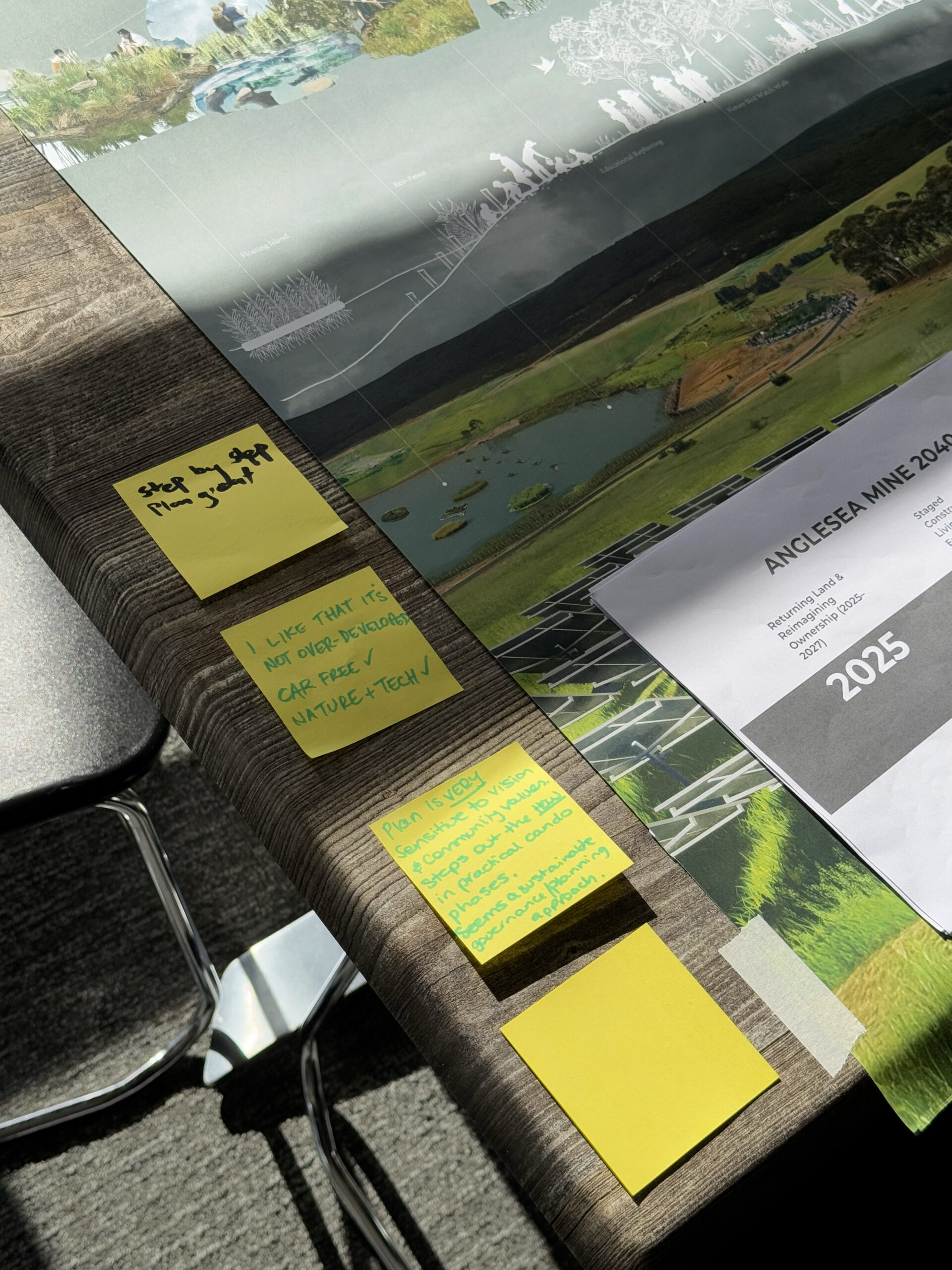
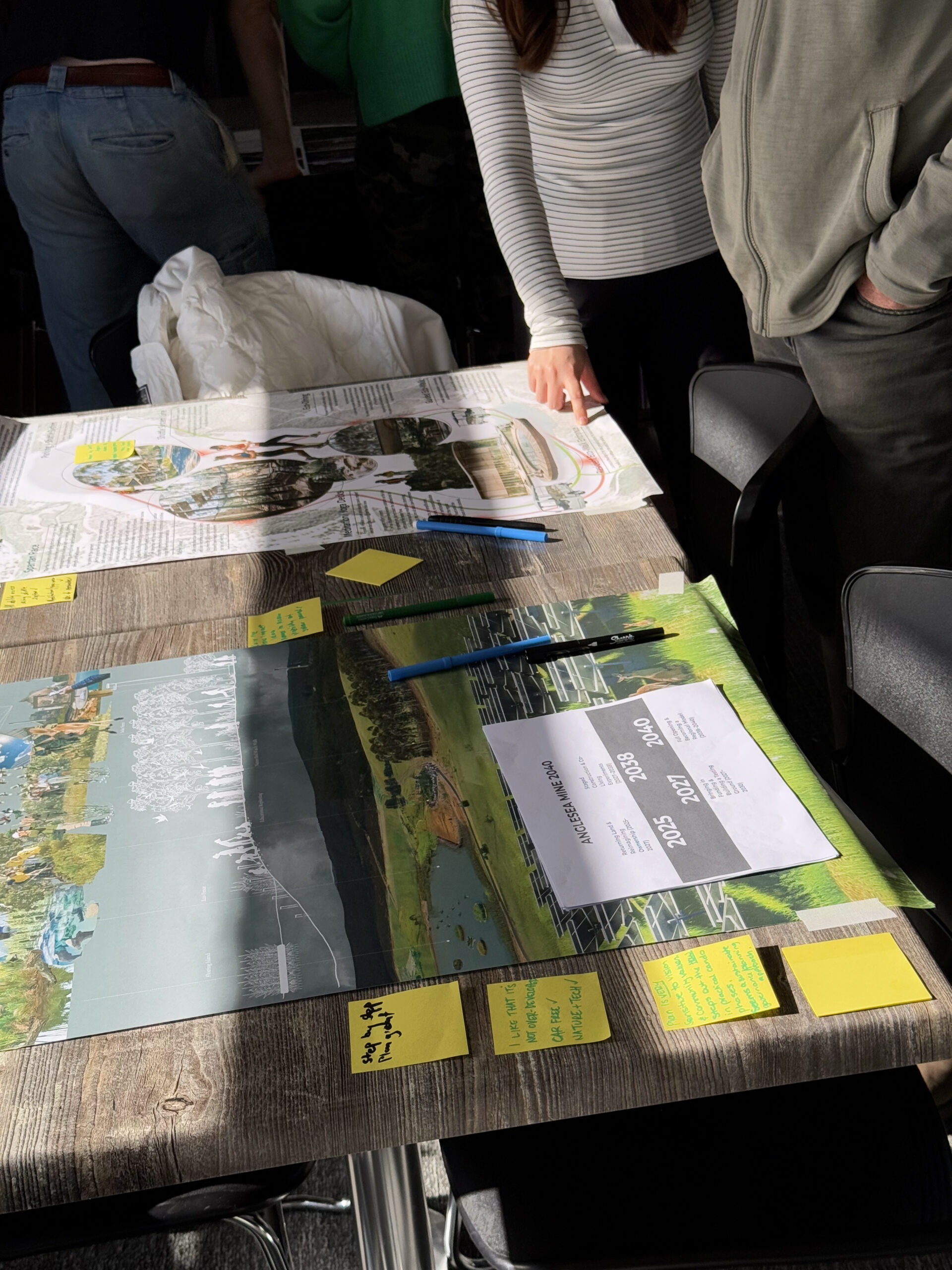
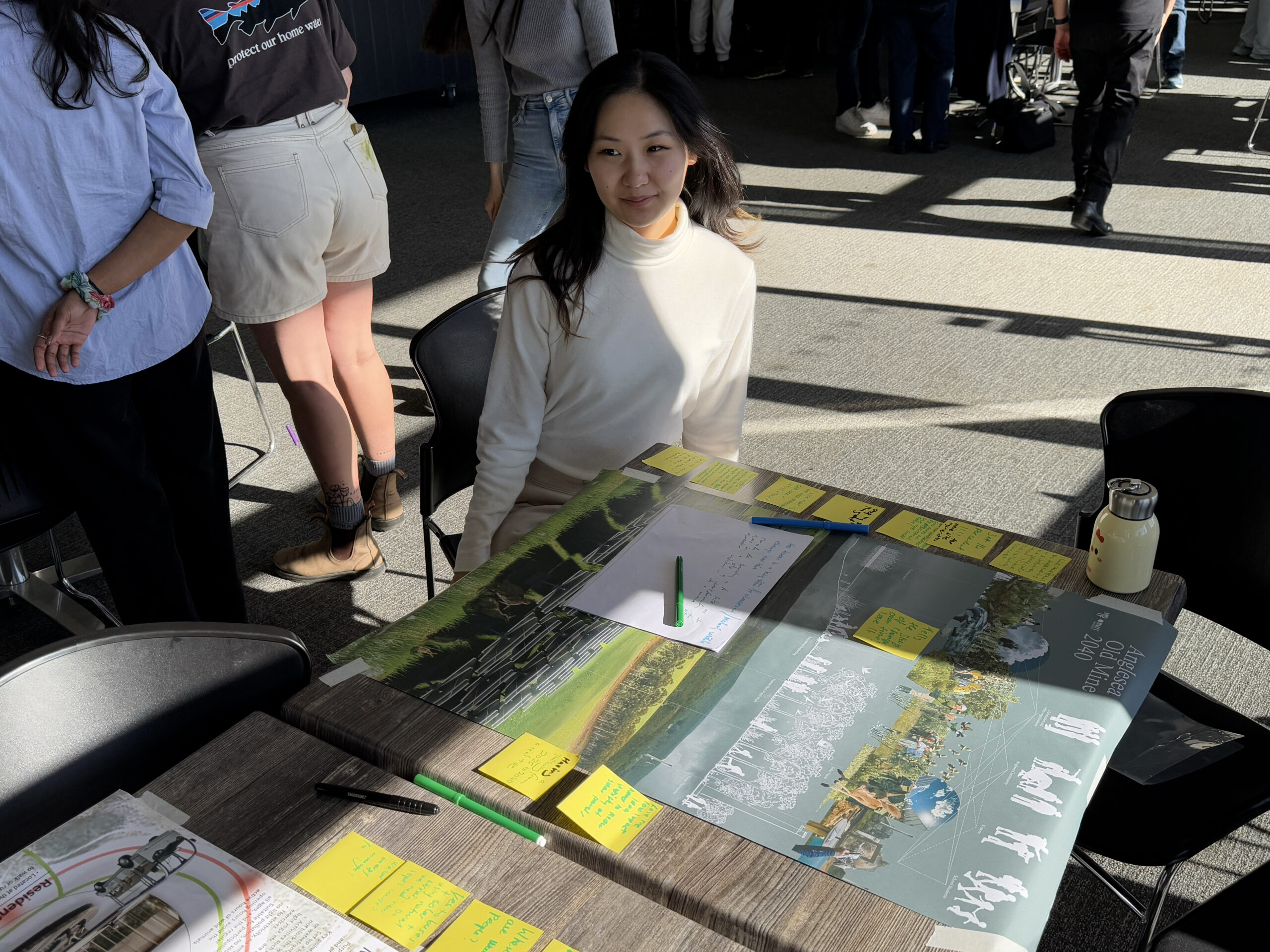
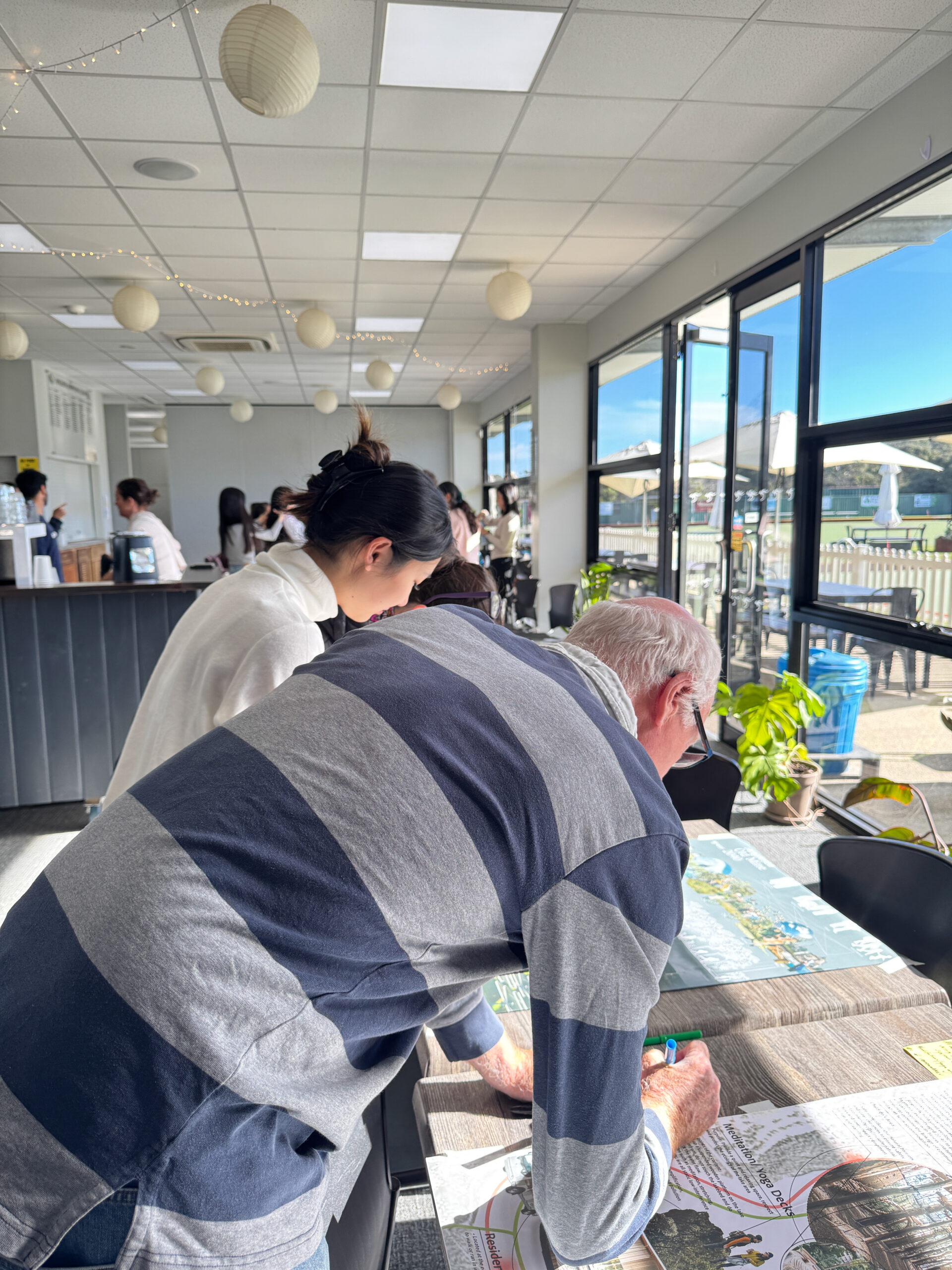
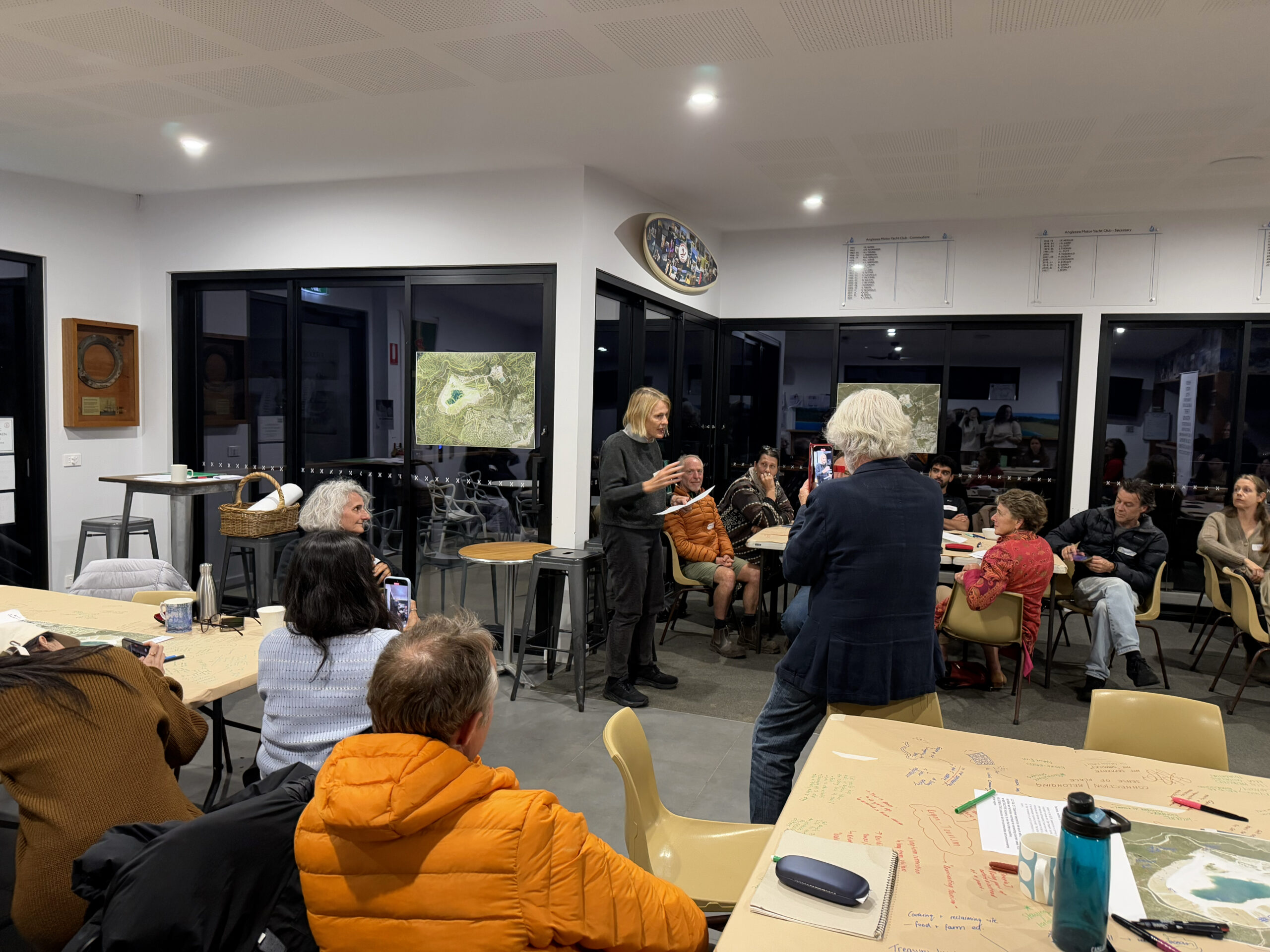
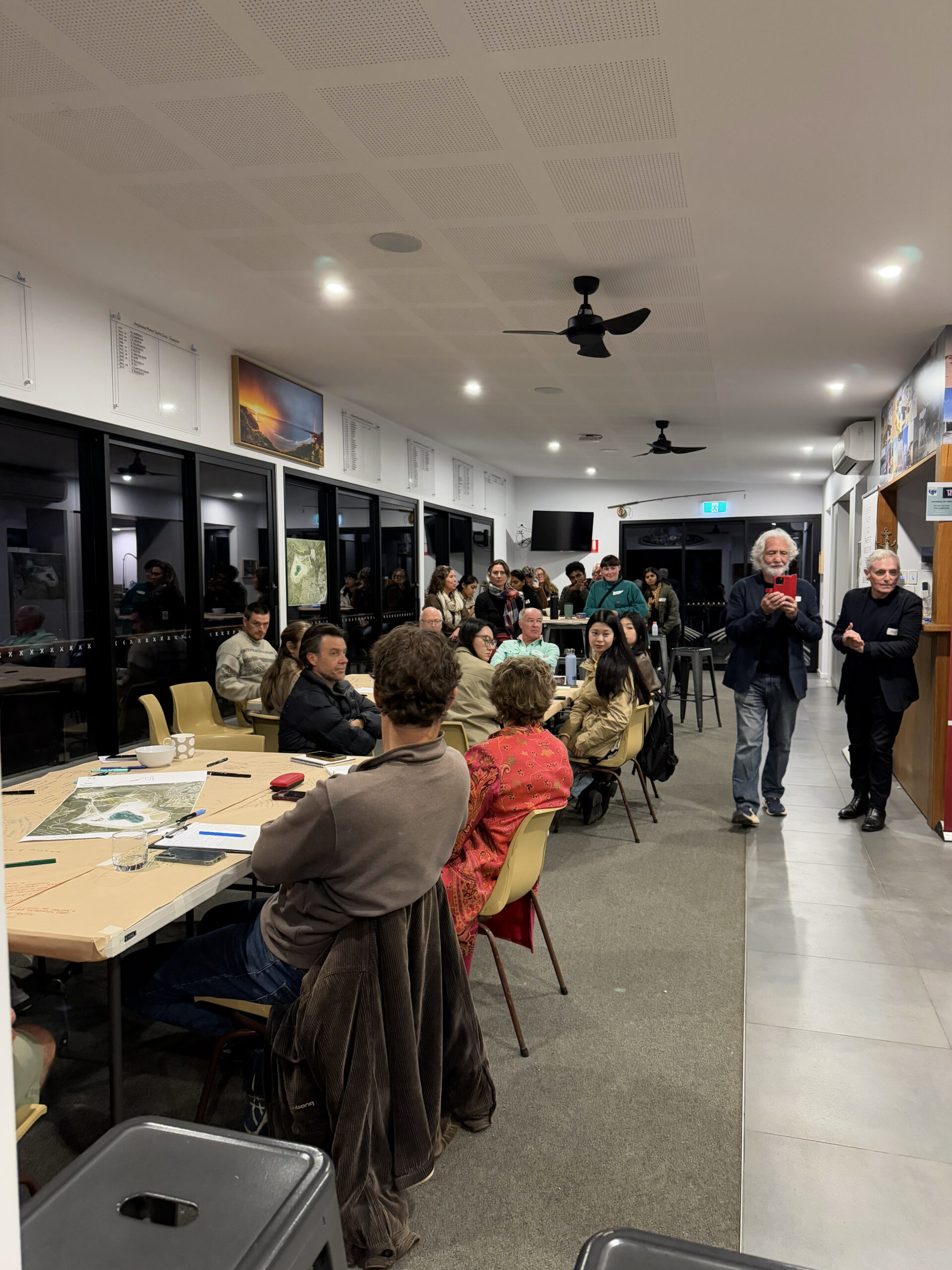
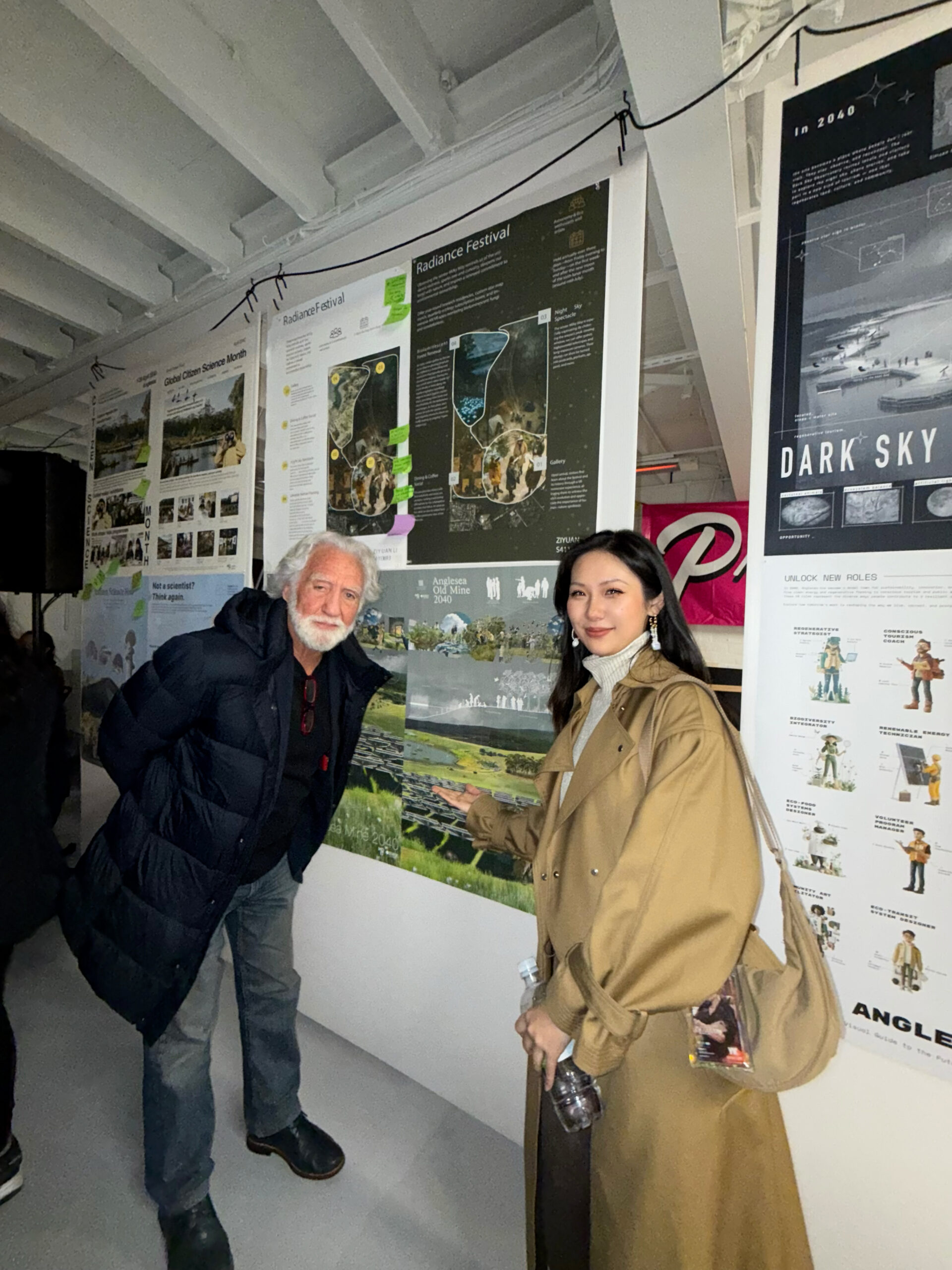
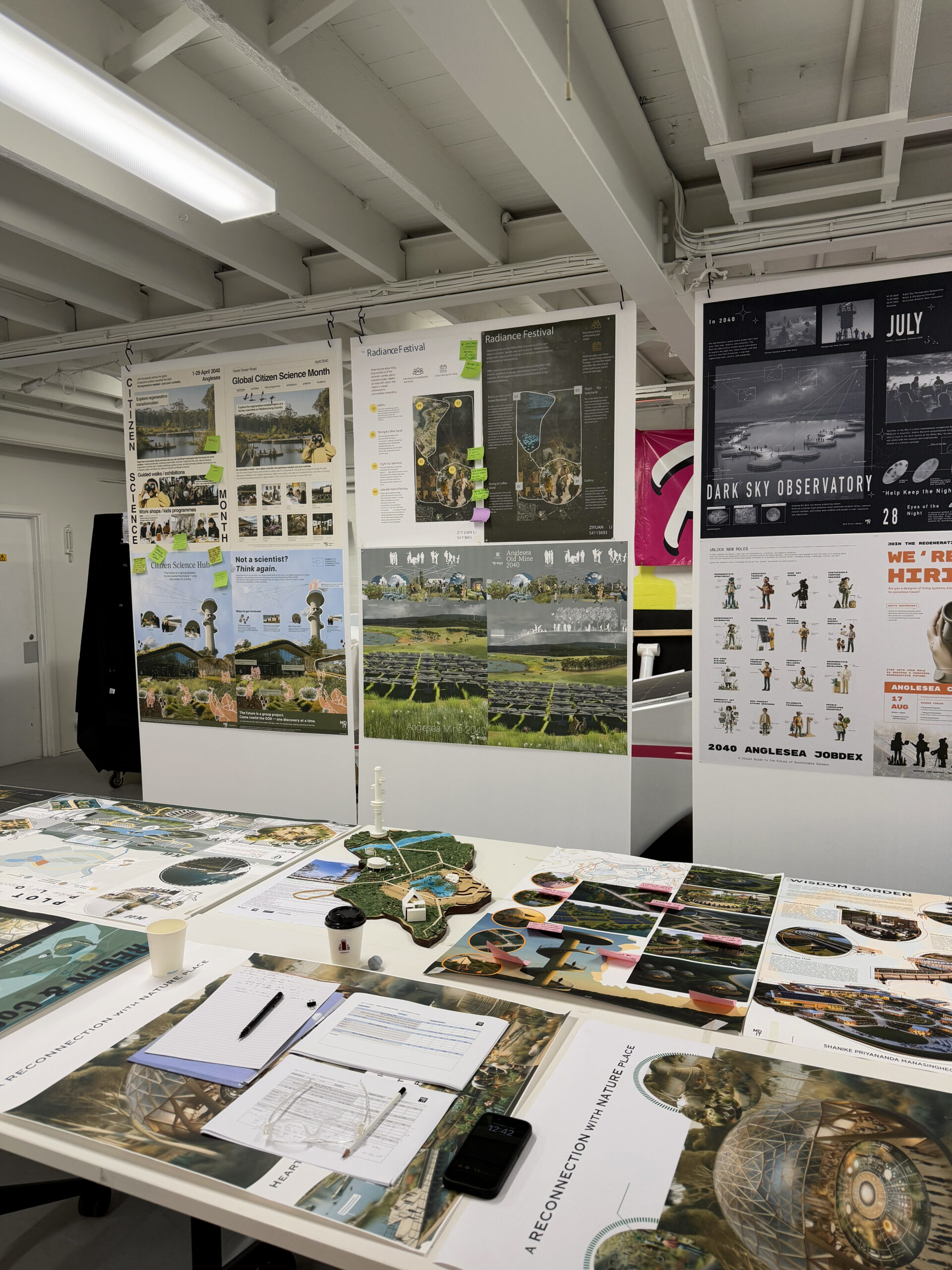
After understanding Anglesea’s context, we worked closely with over 40 local residents, artists, and government representatives to co-develop a vision for the former mine site and create an initial proposal. The design was then refined through community feedback. The entire process was collaborative, grounding the site’s future in real local experience and shared discussion.
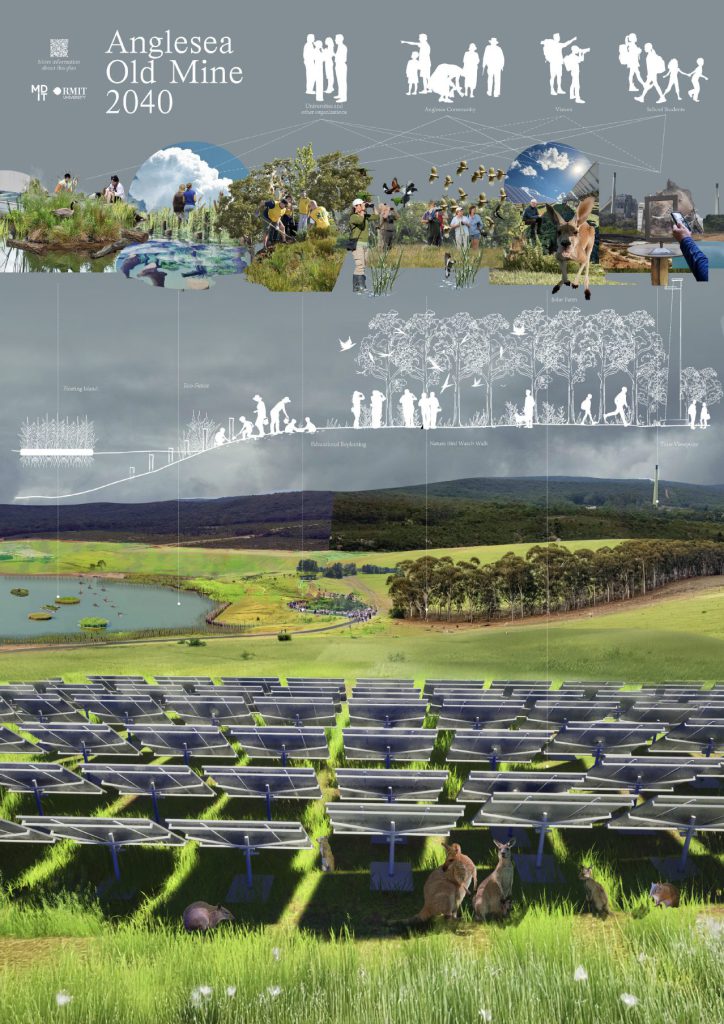
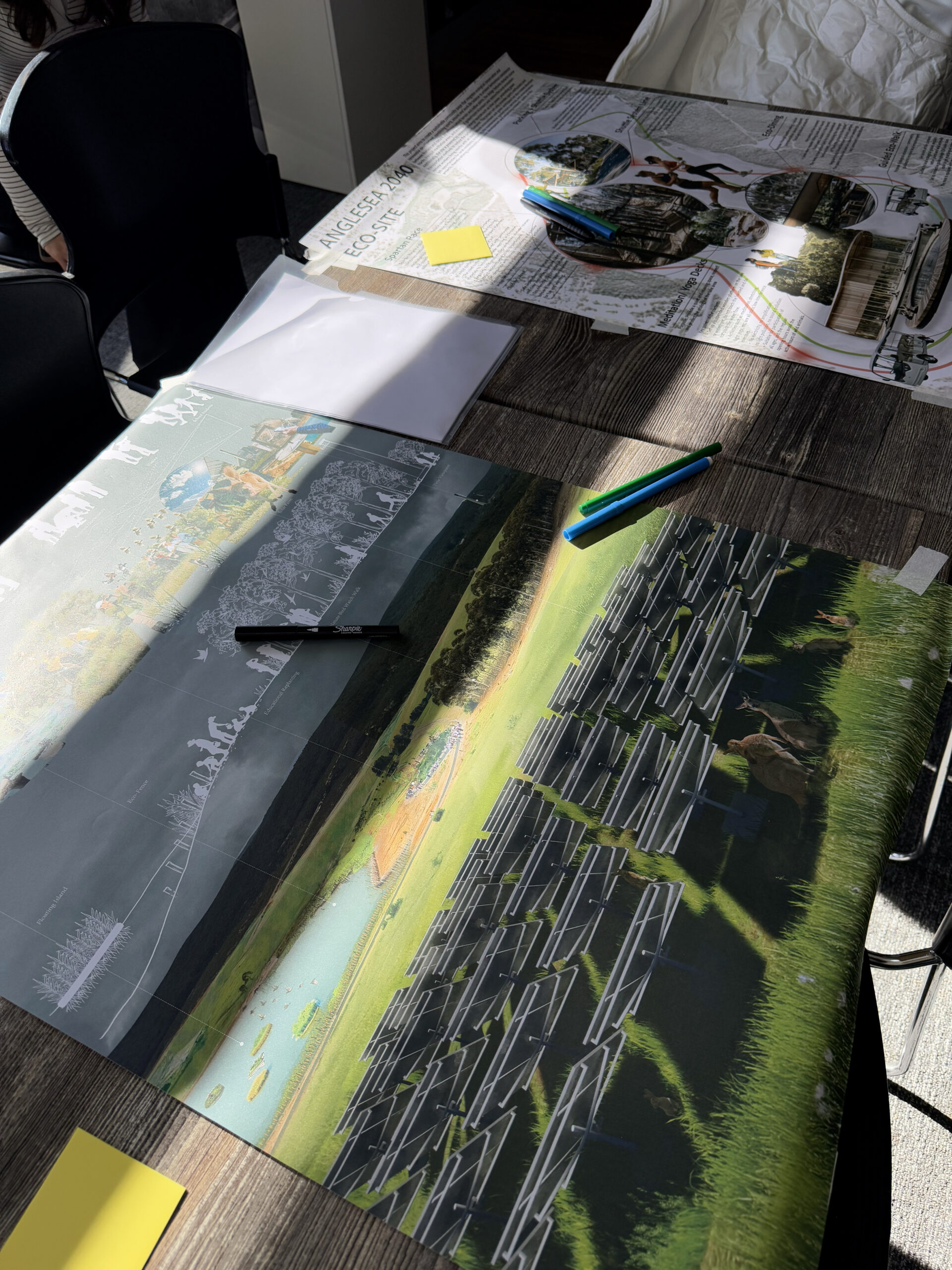
Based on user research and community discussions, the project proposes a 2040 transformation vision for the former mine site, structured around six interconnected systems:
Ecological Restoration
- Floating wetlands that naturally purify the mine pit water
- Water-level markers that make environmental change visible
- Birdwatching trails that support habitat recovery and low-impact engagement
Community & Sustainability
- A community-owned solar farm coexisting with the ecological system below
- Ongoing educational participation, where students and residents take part in planting and maintenance
- A Time Observation Deck that documents the site’s transformation, creating a shared digital archive of collective memory
Why This Approach?
This is not a one-off redevelopment, but a long-term co-creation framework:
- From private industrial land to shared governance
- Making restoration a public experience
- Integrating human activity into ecological recovery
Through this process, the former Anglesea mine shifts from an abandoned site to a collectively maintained public place.
Phased Development
2025–2027 | Land Return & Ecological Start
Transition to community-led management and begin core restoration.
2027–2038 | Gradual Co-Development
Solar energy, wetlands, gardens, eco-housing, and industrial reuse develop in parallel with community participation.
2038–2040 | Full Opening
The site becomes a public model for post-industrial regeneration, with its change continuously documented.


Wait… How Did Co-Creation Actually Happen?
Everyone Had a Seat at the Table
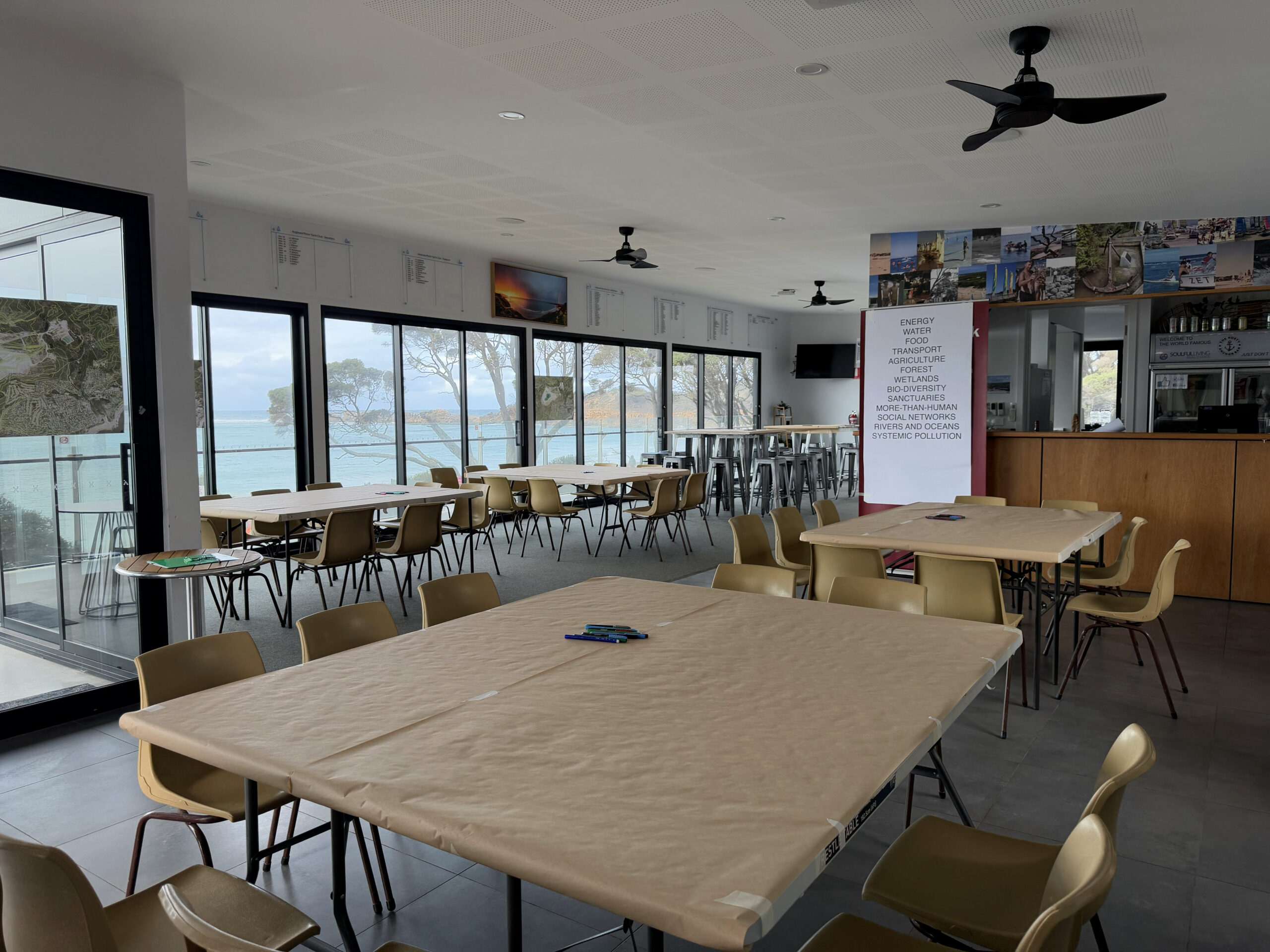
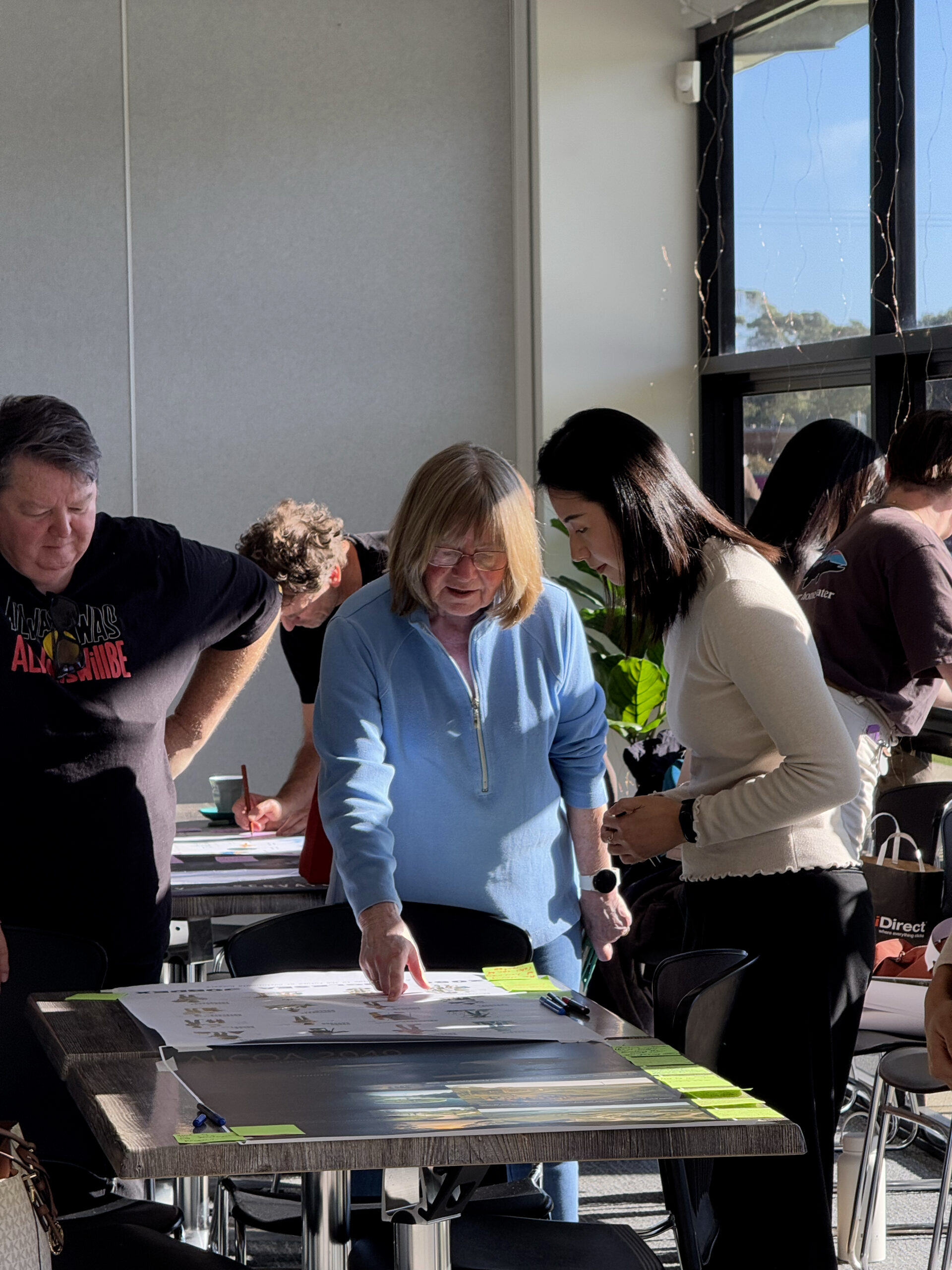
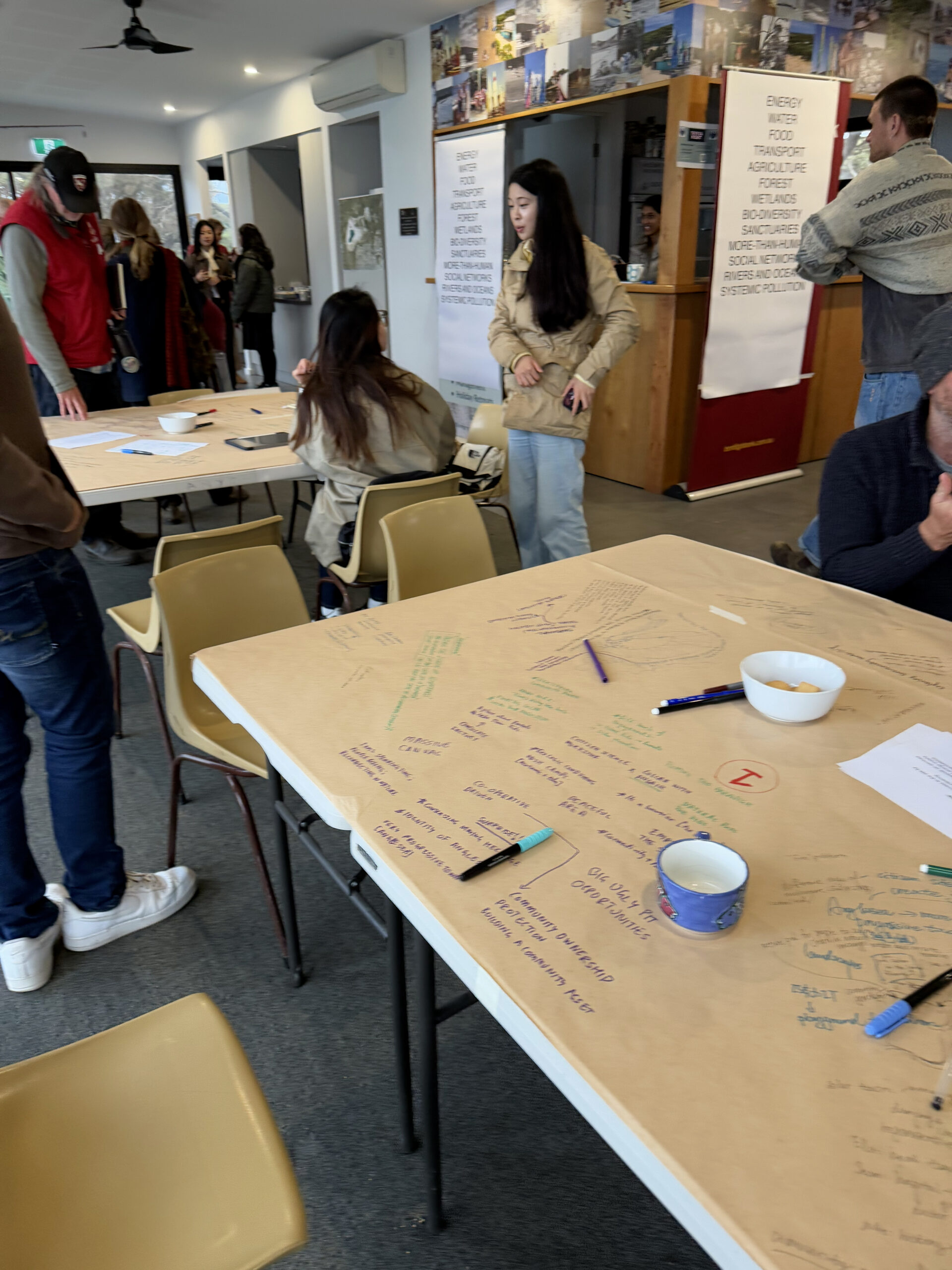
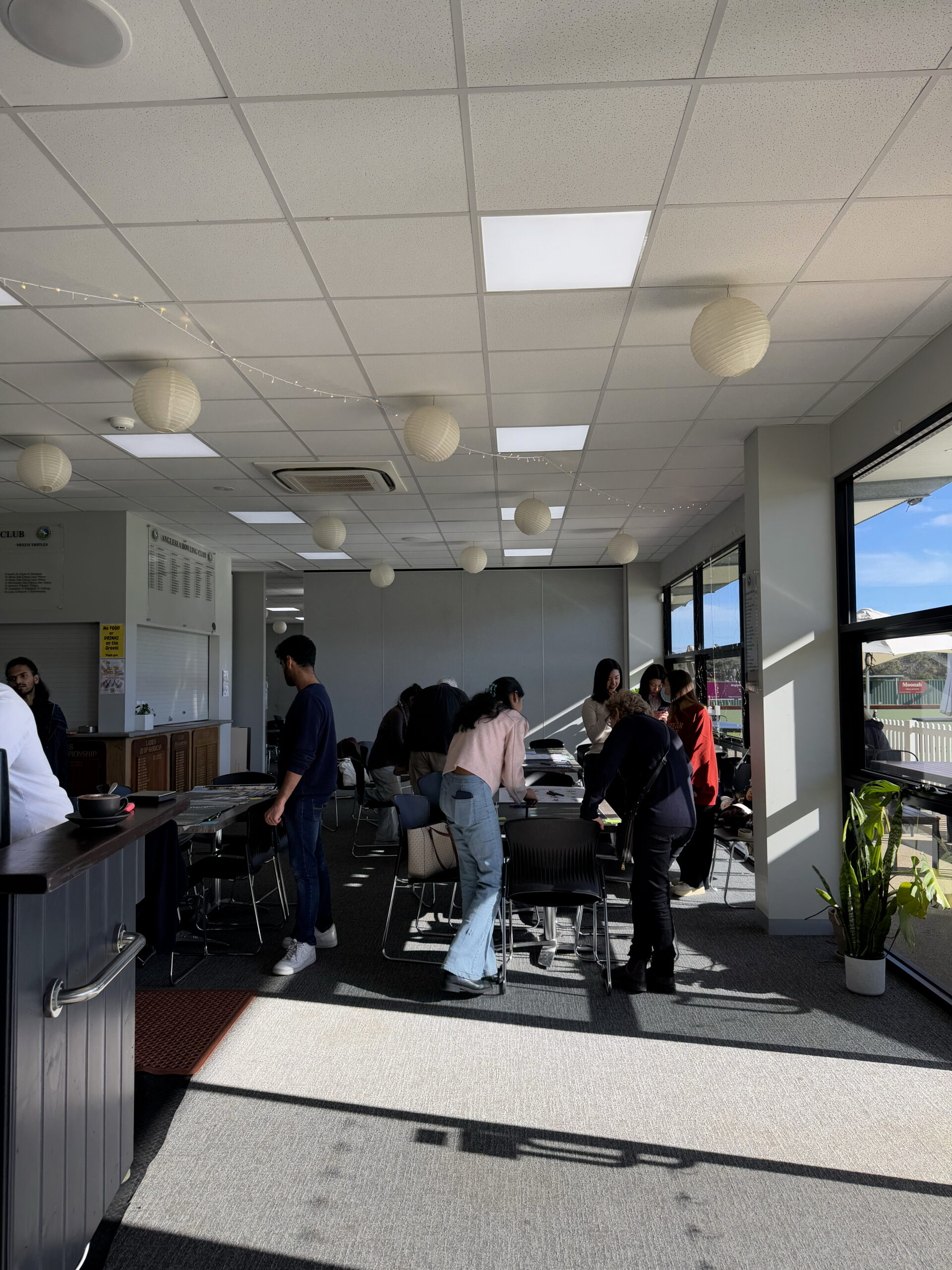
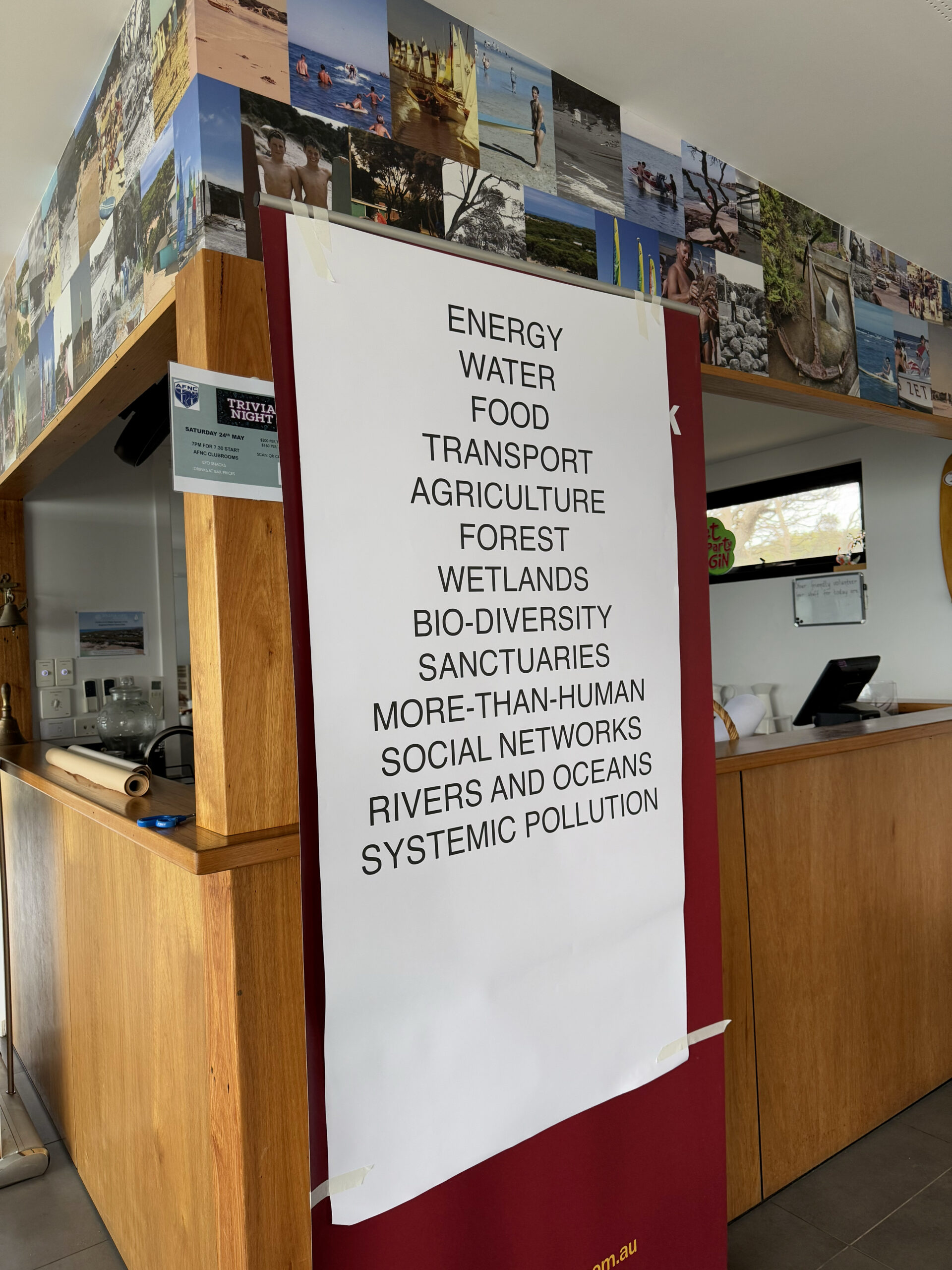
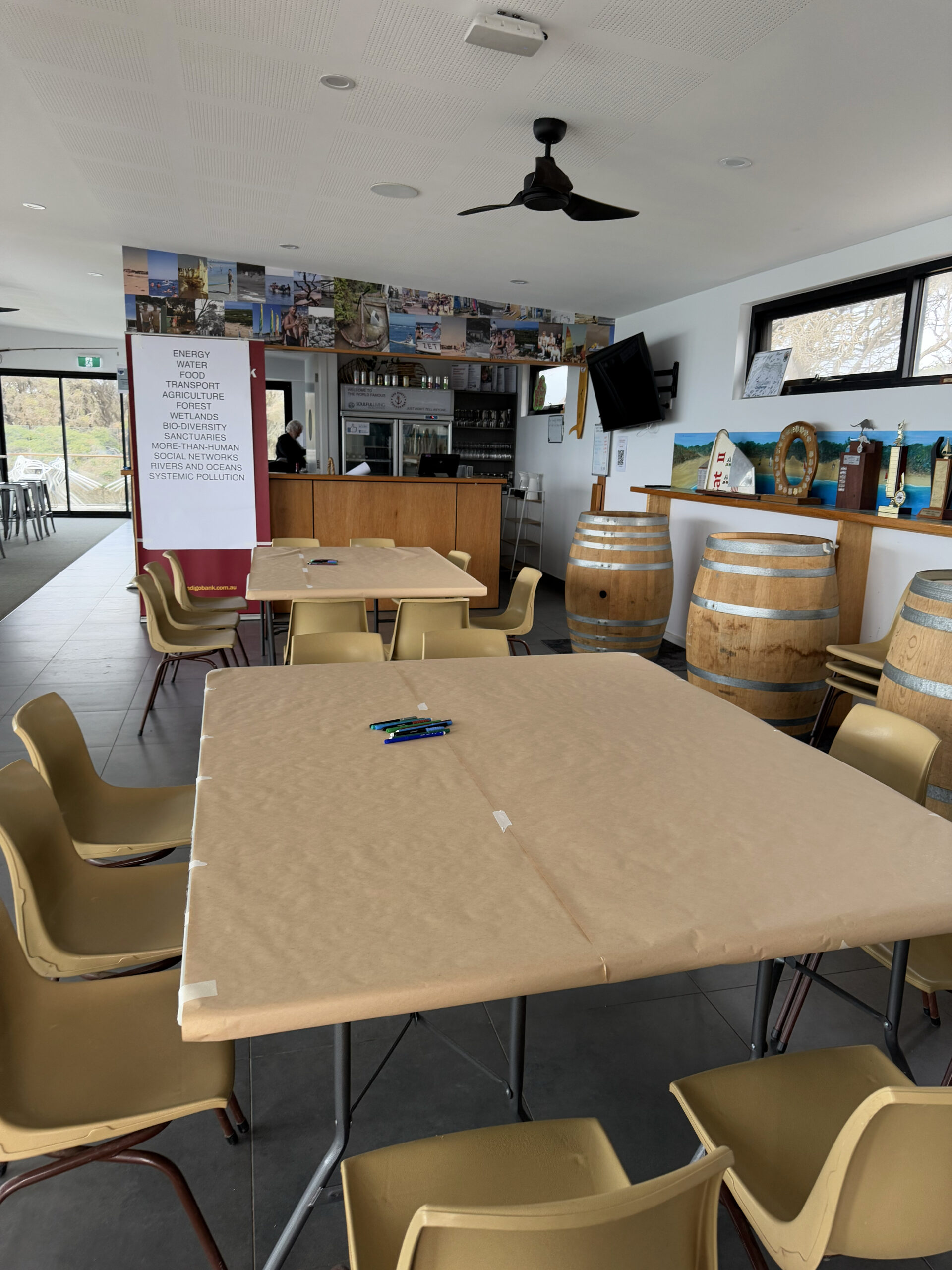
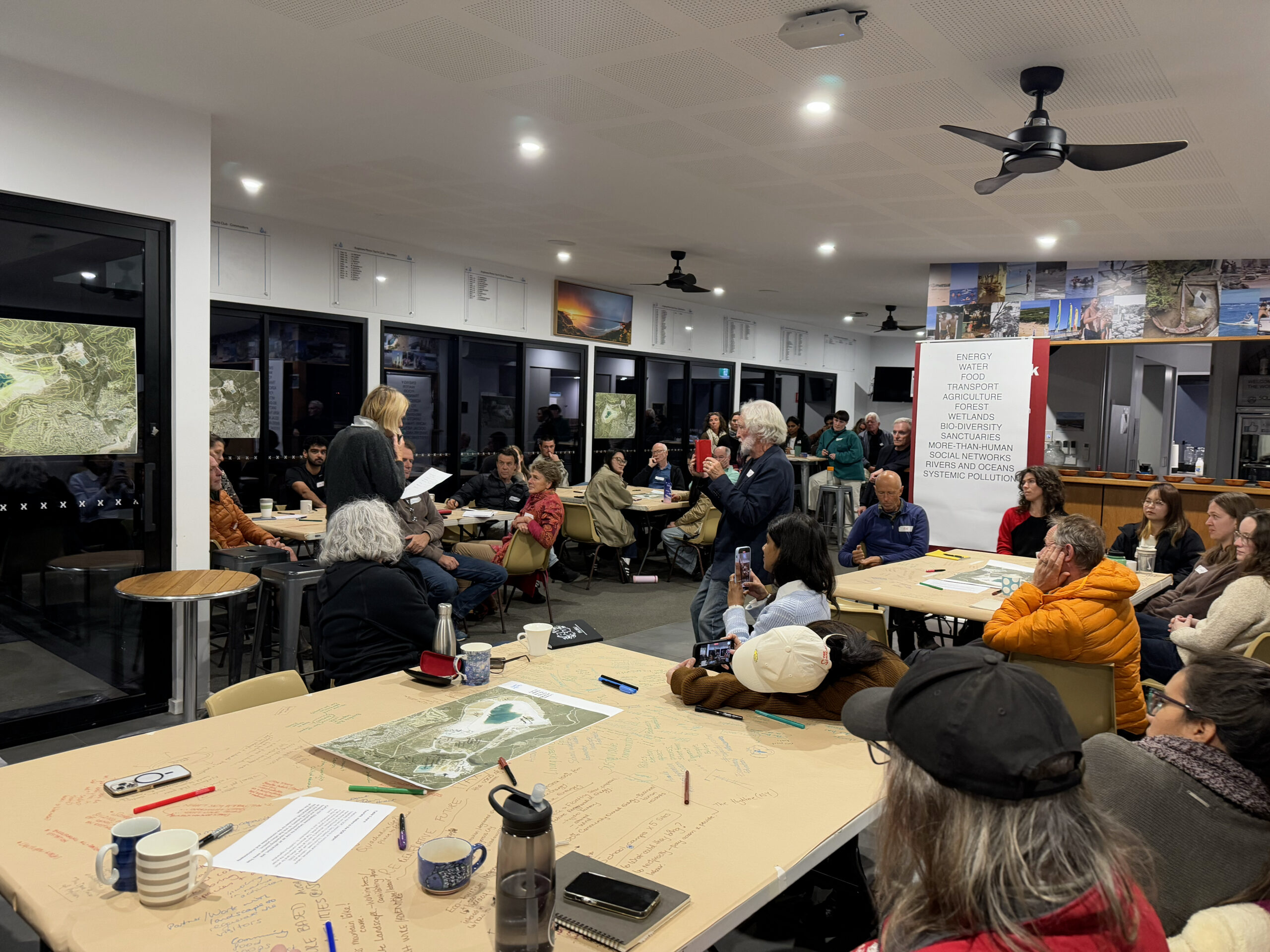
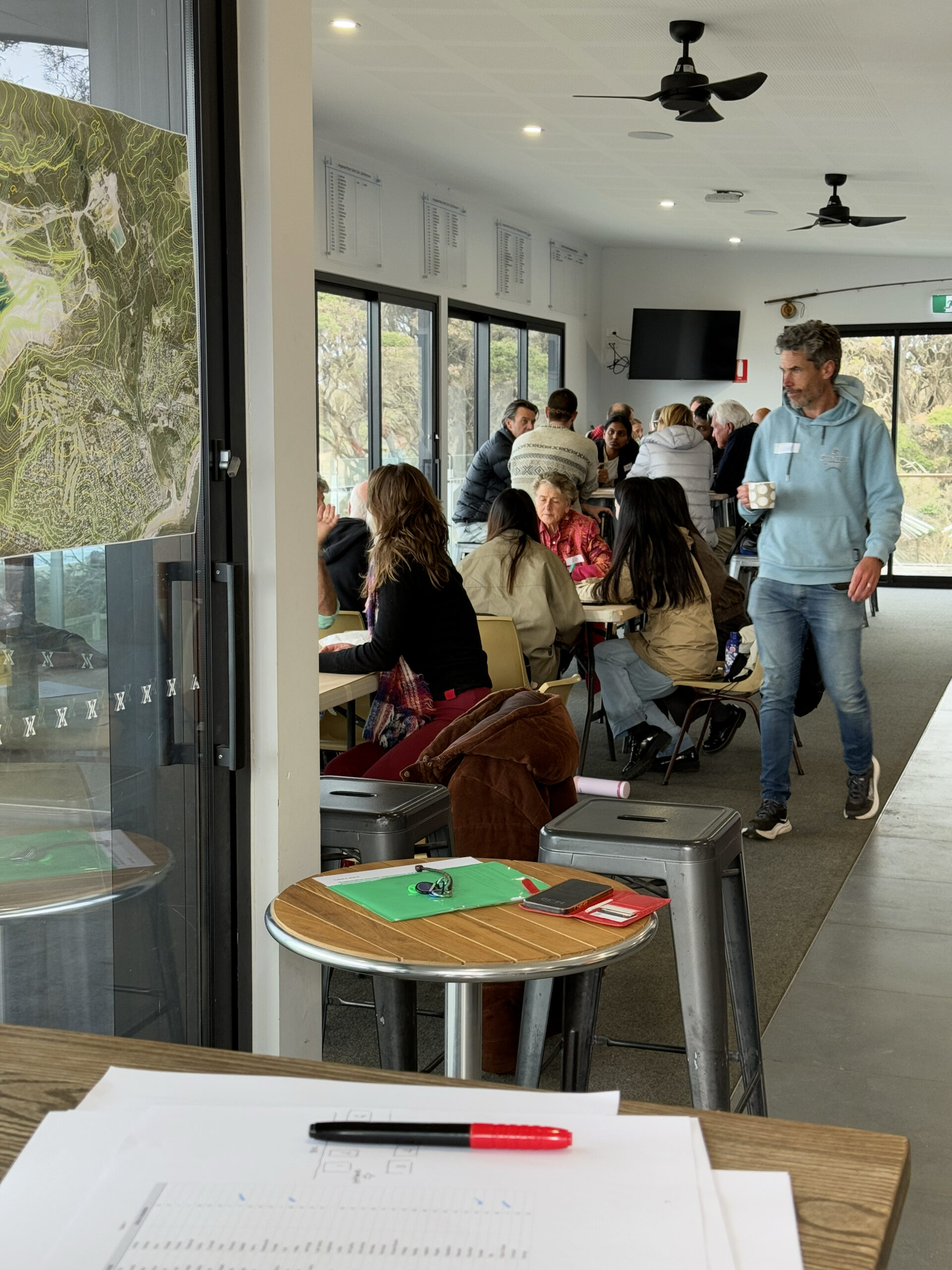
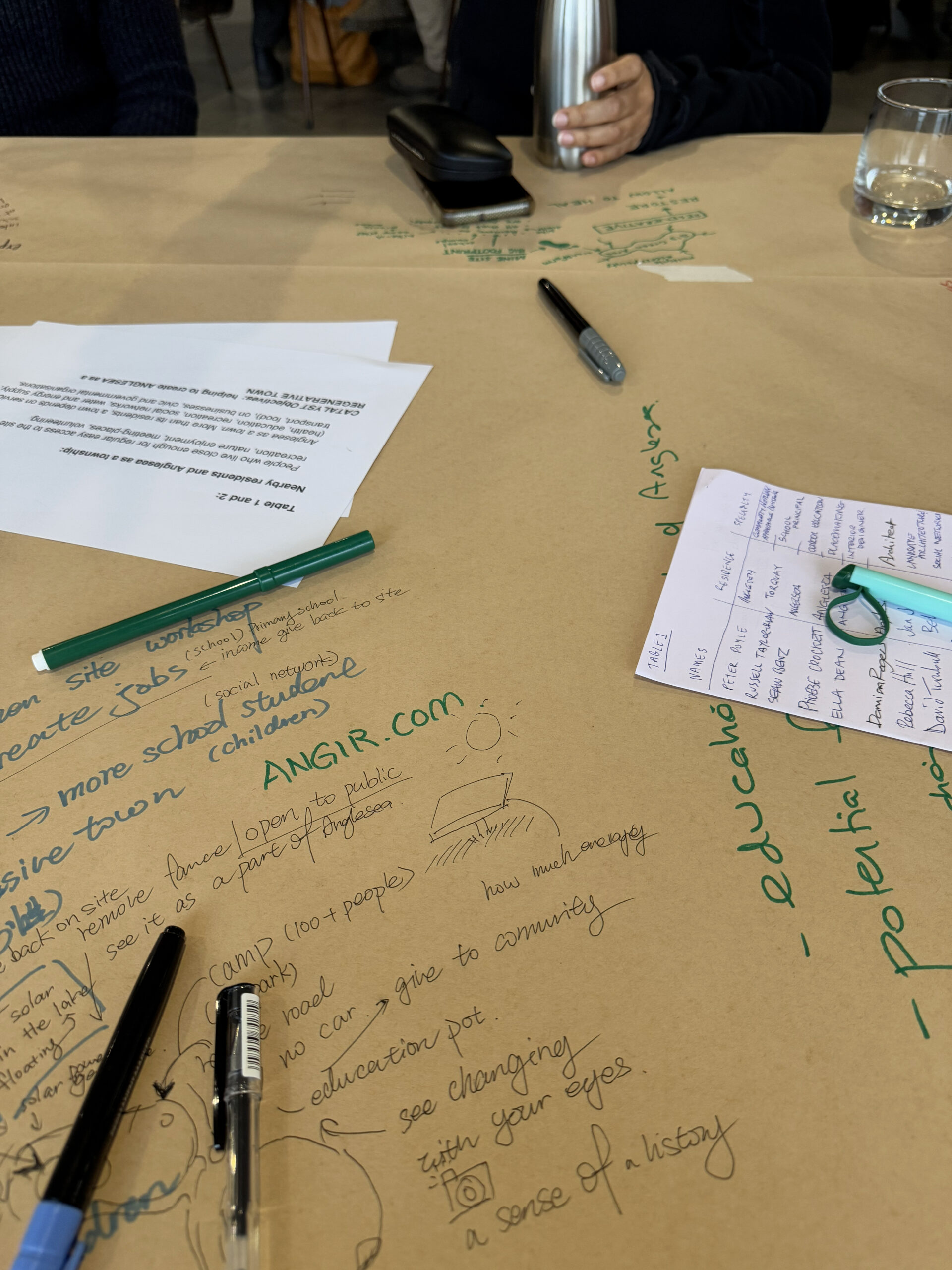
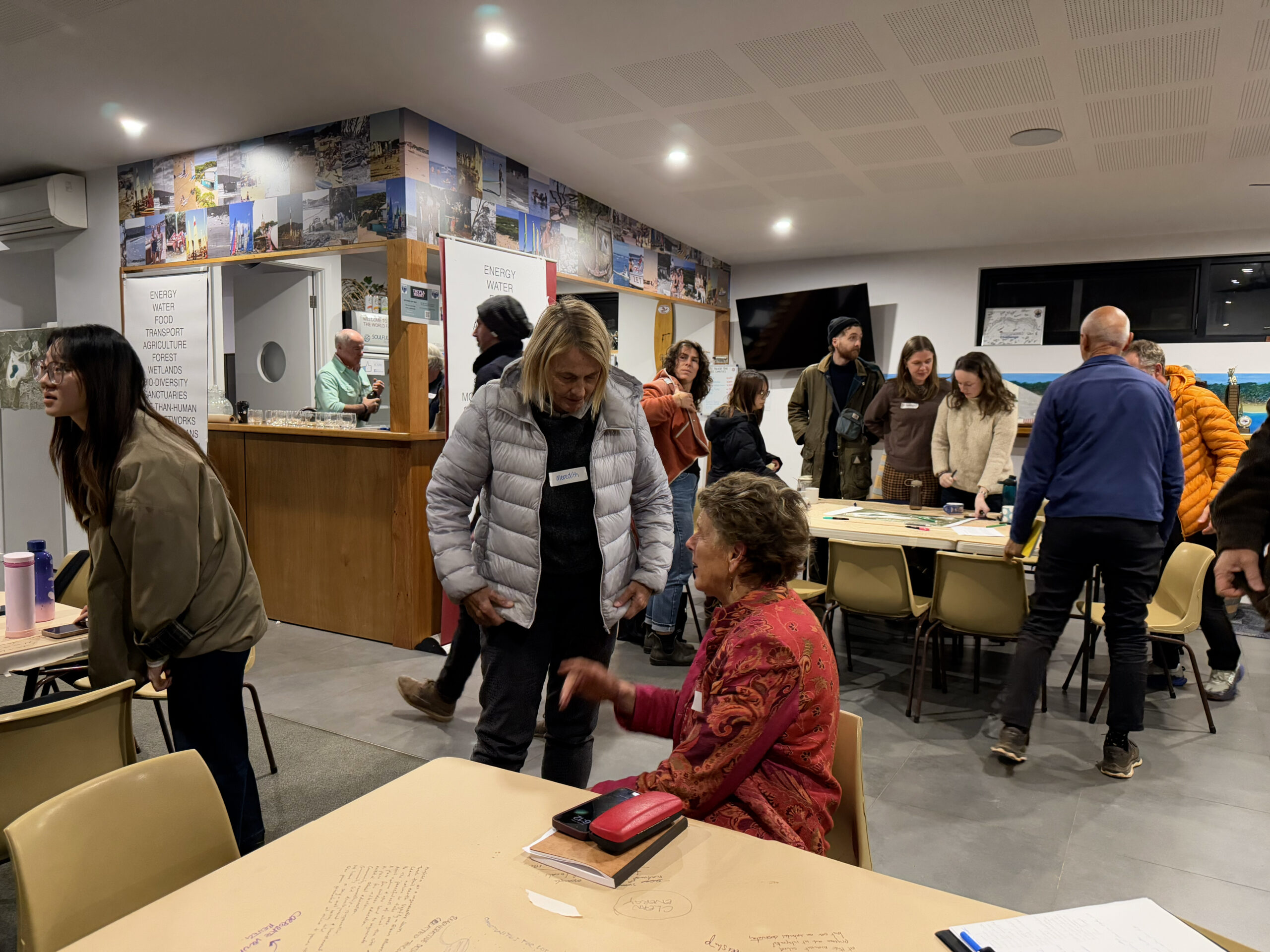
We used a table-rotation workshop format. Participants moved between themed tables, guided by a facilitator, while summaries were delivered by participants themselves—preventing any single voice from dominating.
Through multiple short rounds, ideas evolved as people repeatedly entered and re-entered discussions, gradually building a shared understanding of the site.
From Discussion to Spatial Imagination
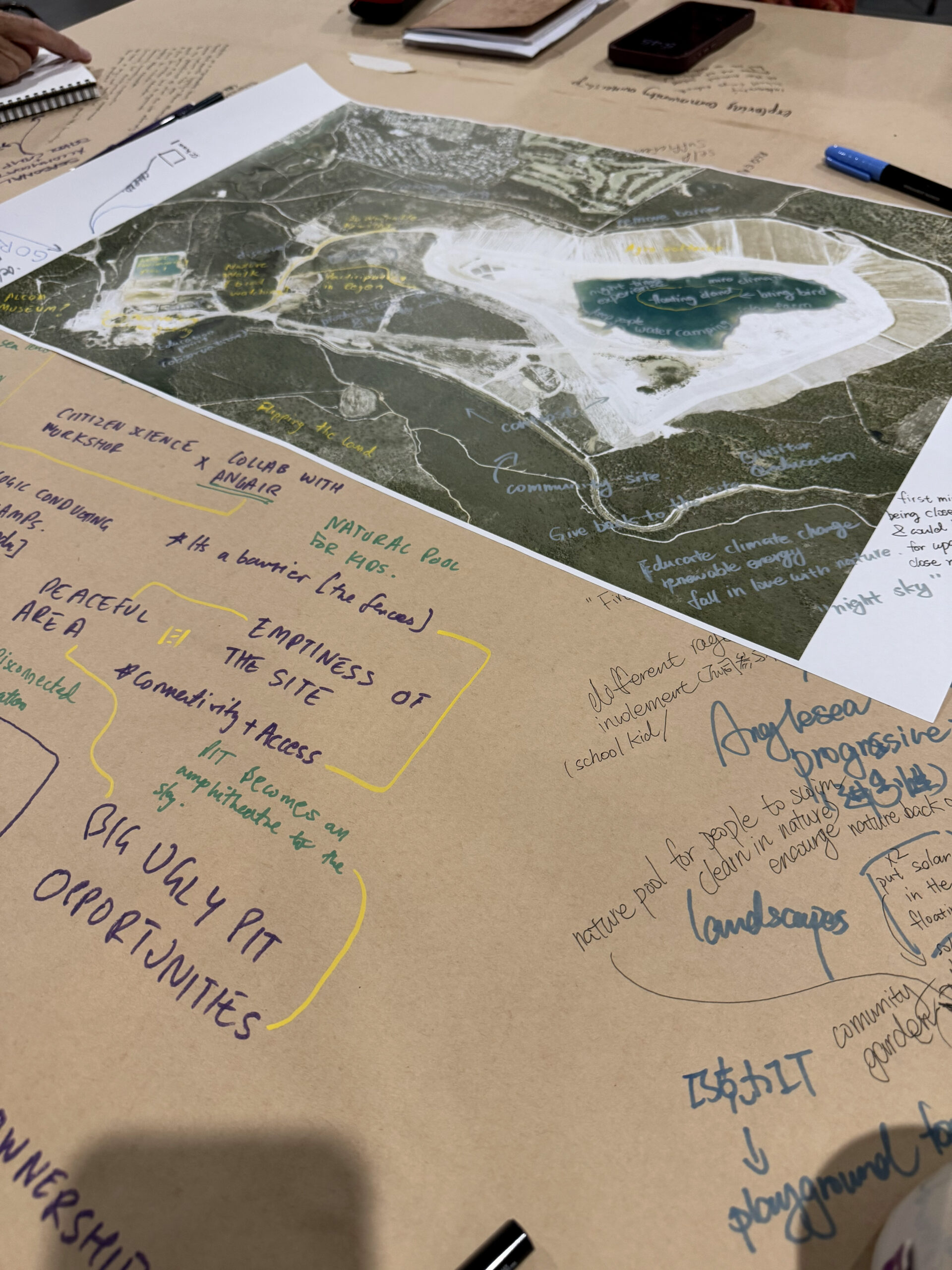
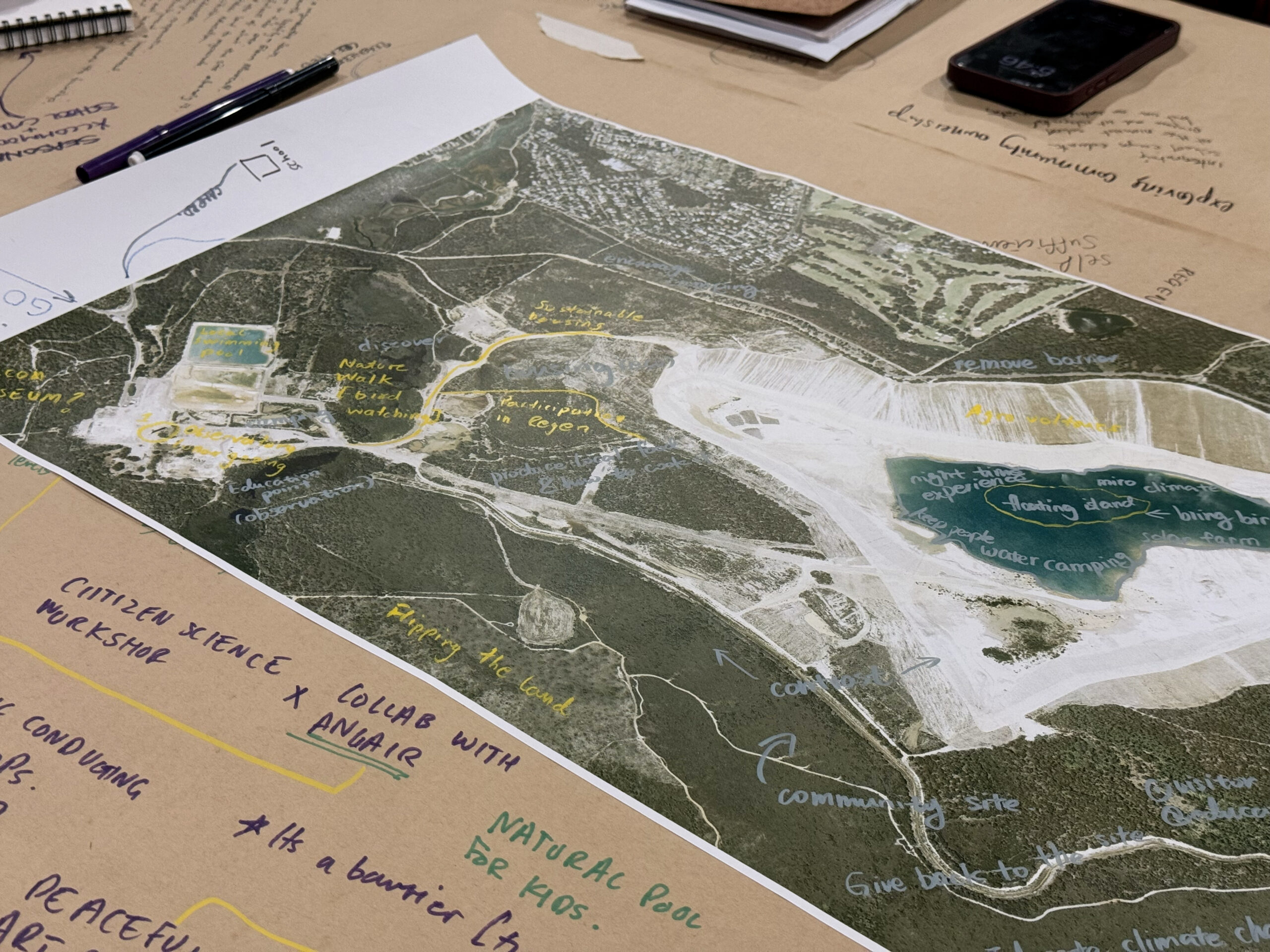
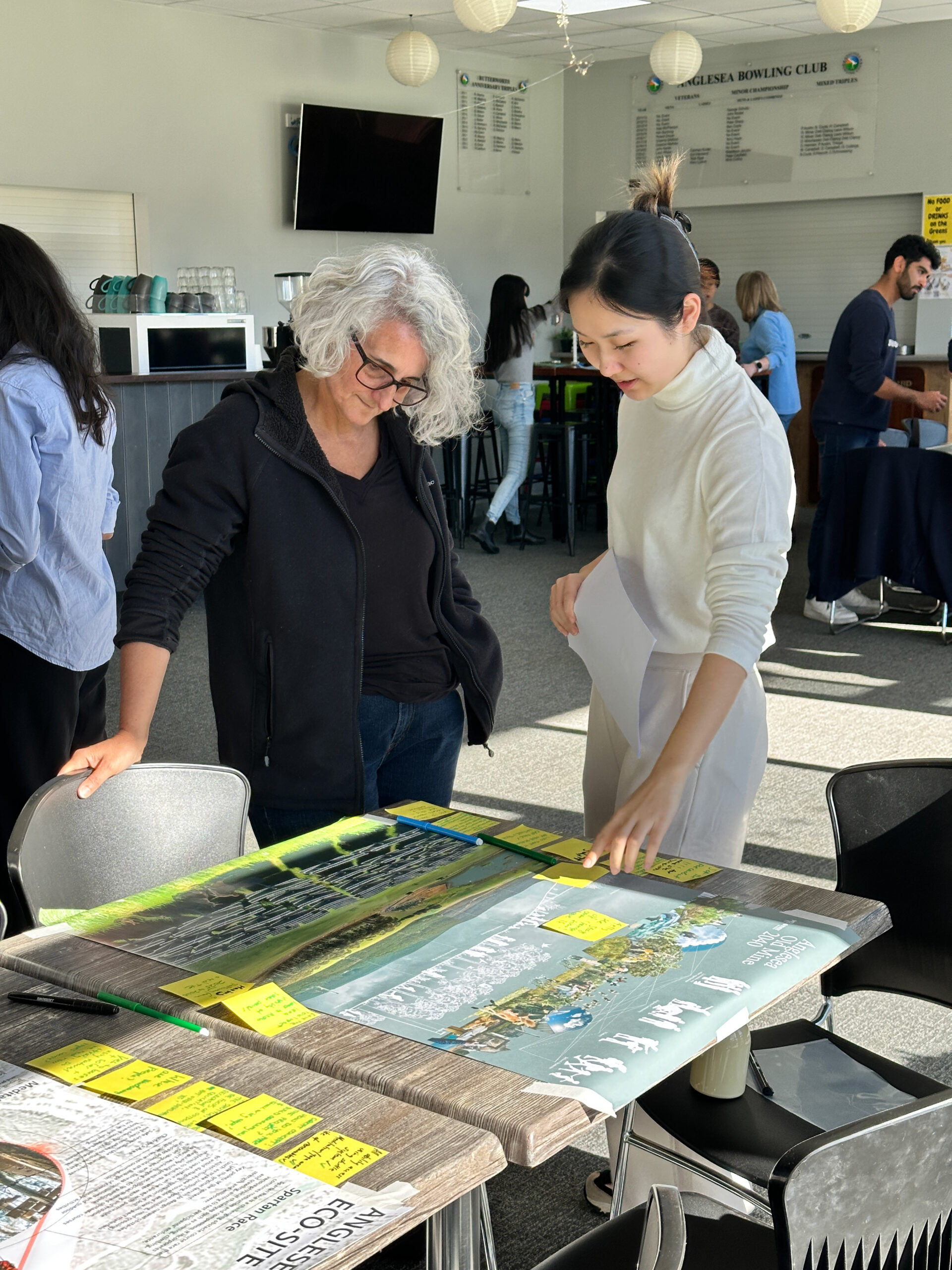
In the second half, attention shifted to the mine site itself. Around an A2 site map, participants explored possible programs, ecological systems, and connections.
Space was treated not as a fixed object, but as something to be collectively imagined and reshaped.
Imagining the Future Through Reflection
The workshop concluded with a retrospective exercise: participants imagined themselves in the future, looking back on how the site had evolved step by step.
Co-Creation Produced Direction, Not a Single Answer
Rather than delivering one fixed outcome, the process generated shared design directions. These became the foundation of the 2040 transformation vision—ensuring the proposal emerged through collaboration, not imposition.