Exploring the Symbiosis Between Urban Spaces and Nocturnal Wildlife
Inspired by possums in Melbourne’s Flagstaff Gardens, the project tracked their movements with infrared sensors and recreated them as delayed light-particle trails.
Combining research, field observation, and prototypes, sensor data was processed via TouchDesigner to produce interactive visuals. The indoor installation, paired with video simulation, recreated the nocturnal park atmosphere and explored new ways data can mediate human–urban ecological relationships.
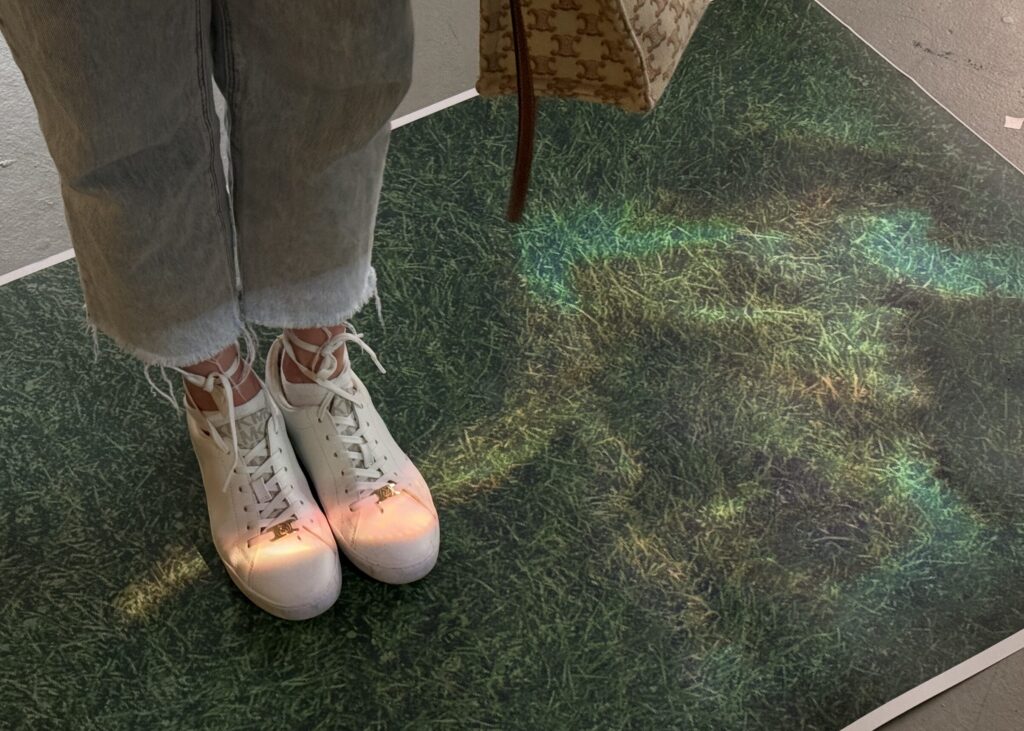
Output Styles
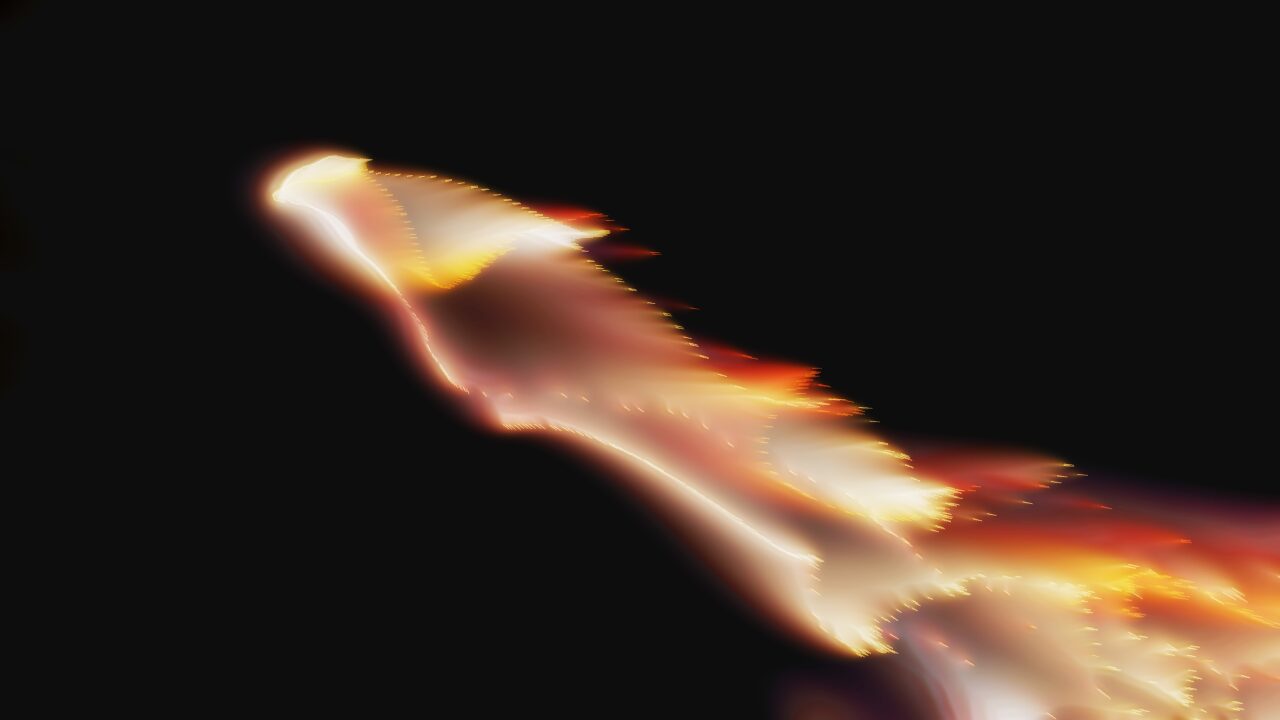
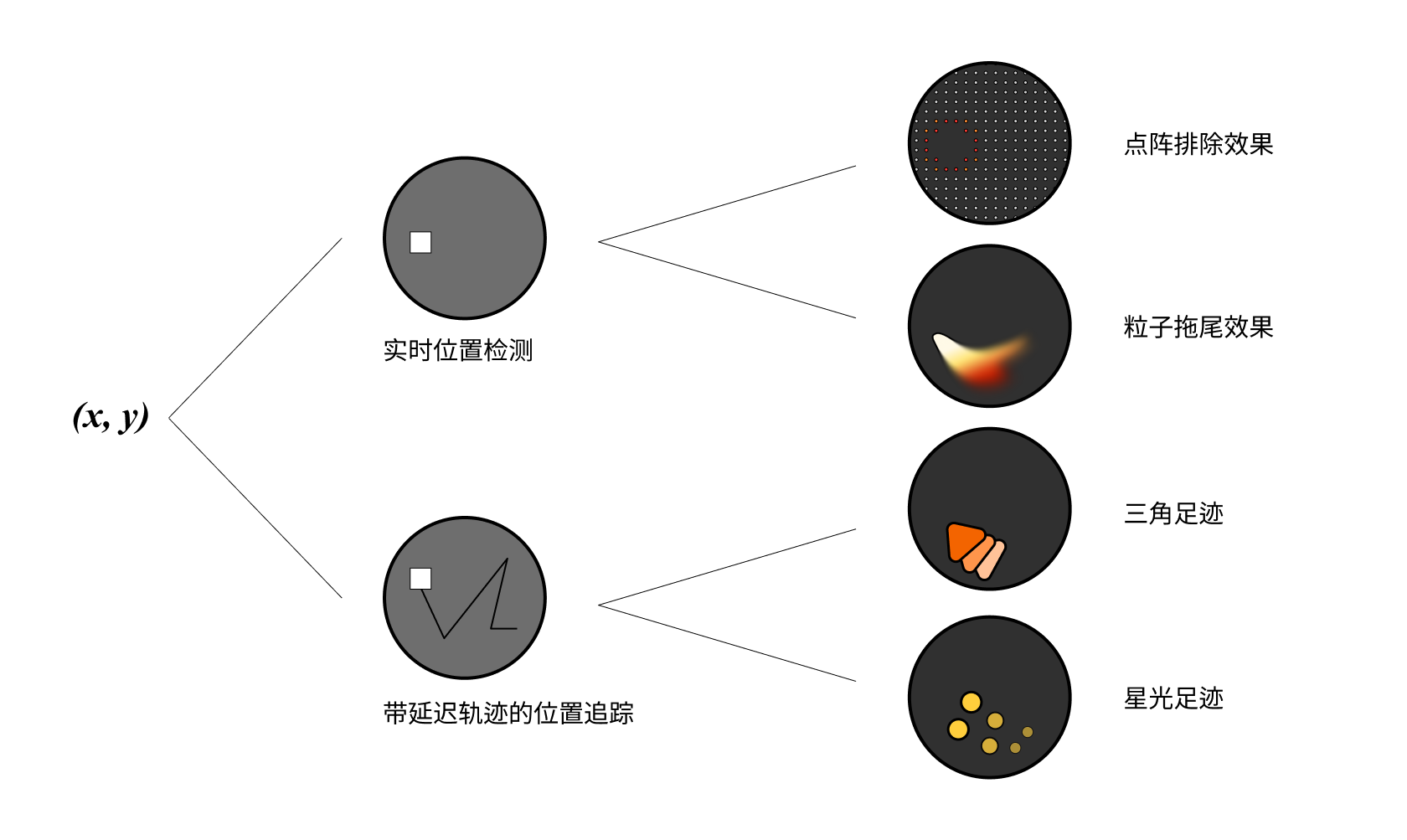
Particle Trails
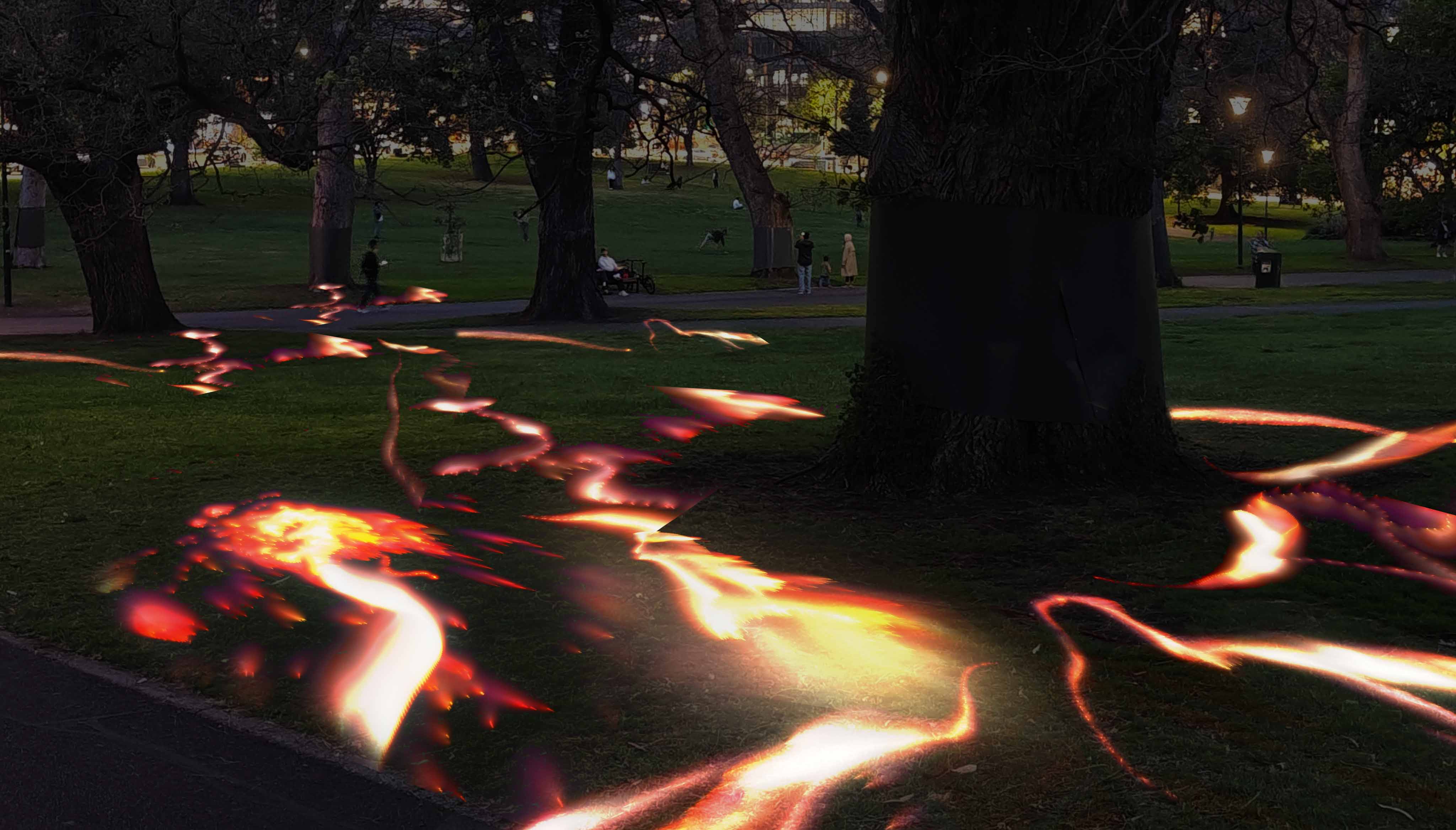
Soft light streams flow across the floor when people or animals pass through the sensing area

Dot Matrix Exclusion
Illuminated dots automatically avoid areas when triggered by movement
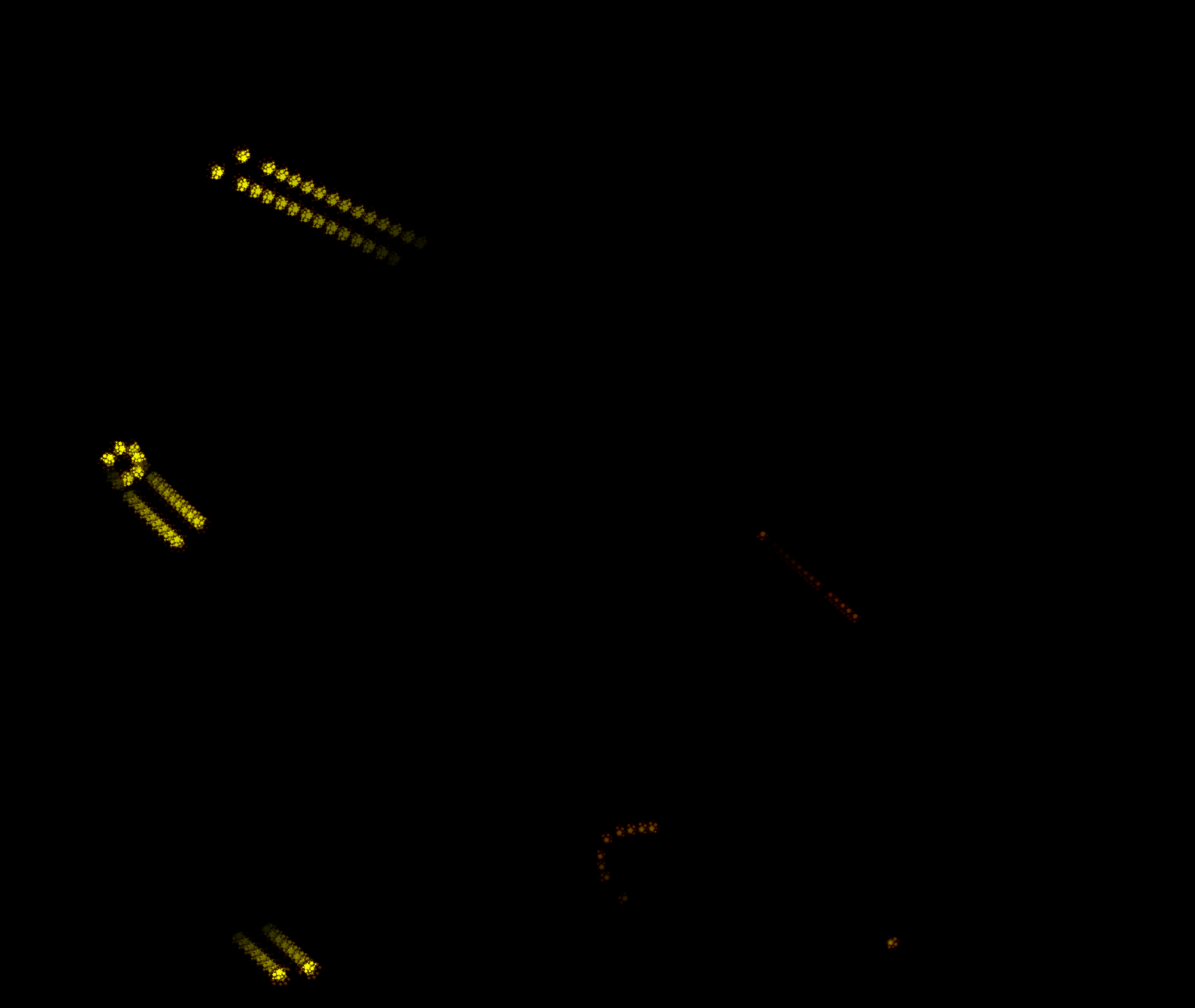
Delayed Footprints
Tracks the path of passersby and recreates it a few seconds later with tiny glowing dot cursors
Why Flagstaff Gardens?
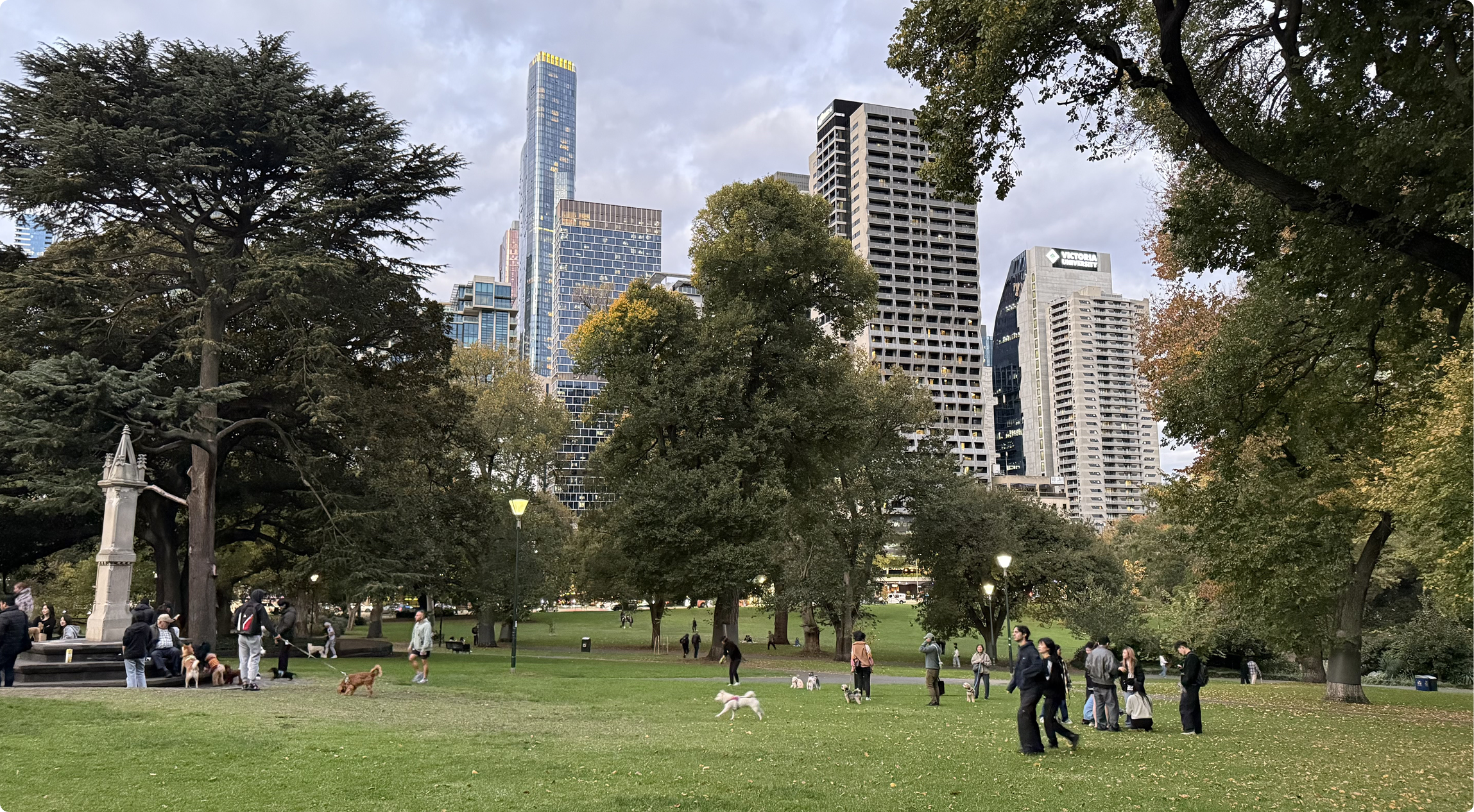
Flagstaff Gardens, in Melbourne’s northwest city center, is a quiet green oasis amid dense urban buildings. Its century-old trees, rolling lawns, and city skyline create a unique balance between nature and the city.
The site’s natural conditions are ideal: elevated terrain, good drainage, and vegetation dominated by elms, fig trees, and eucalypts. Nocturnal possums frequently inhabit the area.
Making the Invisible Visible
By day, people walk and play; by night, possums descend from trees, moving along eaves and shadows.
Our relationship with urban wildlife is often marked by conflict or neglect—we see traces but rarely their actual movements.
The installation uses carefully selected red, orange, and white light to minimally affect the possums, using light as a medium to connect human and nocturnal wildlife trajectories.
Interaction Logic
The system uses two interaction modes:
Real-Time Interaction — Detects and responds immediately to live position data (x, y).
Delayed Interaction — Records detected positions to generate a video where blocks represent tracked points, then uses these positions to drive subsequent movement with a ~3-second delay.
Demo Video
Project Introduction Video
Prototype Testing Video
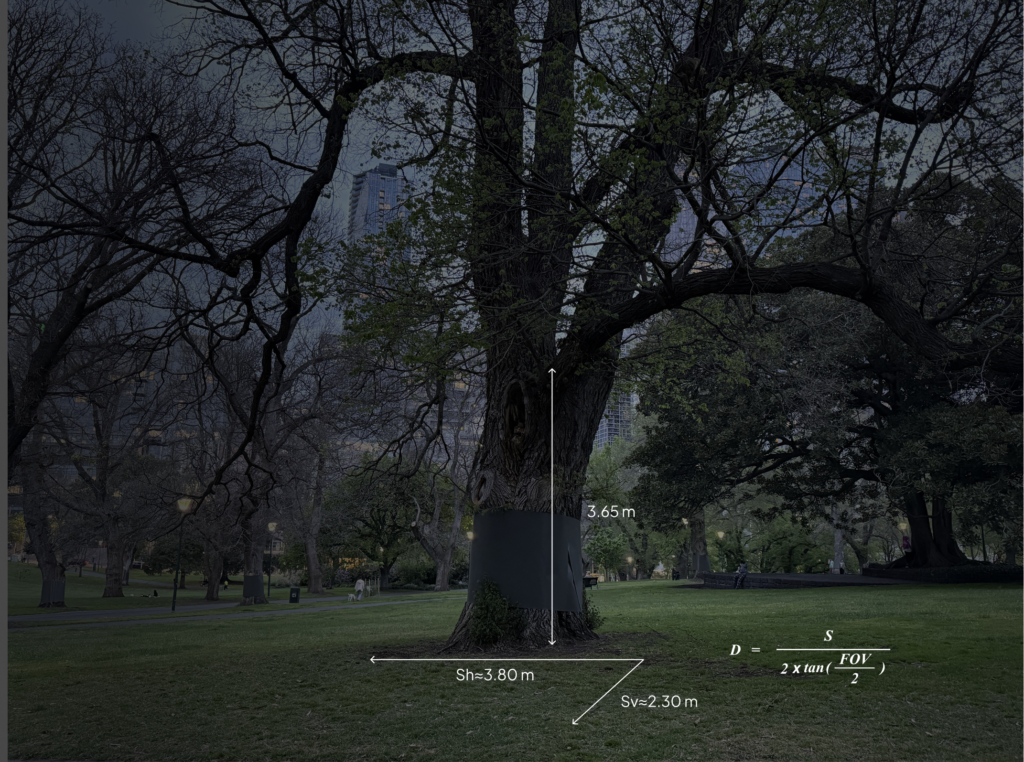
实地测量树木高度为 3.65 米,根据计算公式推算,其可投影面积约为 3.80 米 × 2.80 米。